
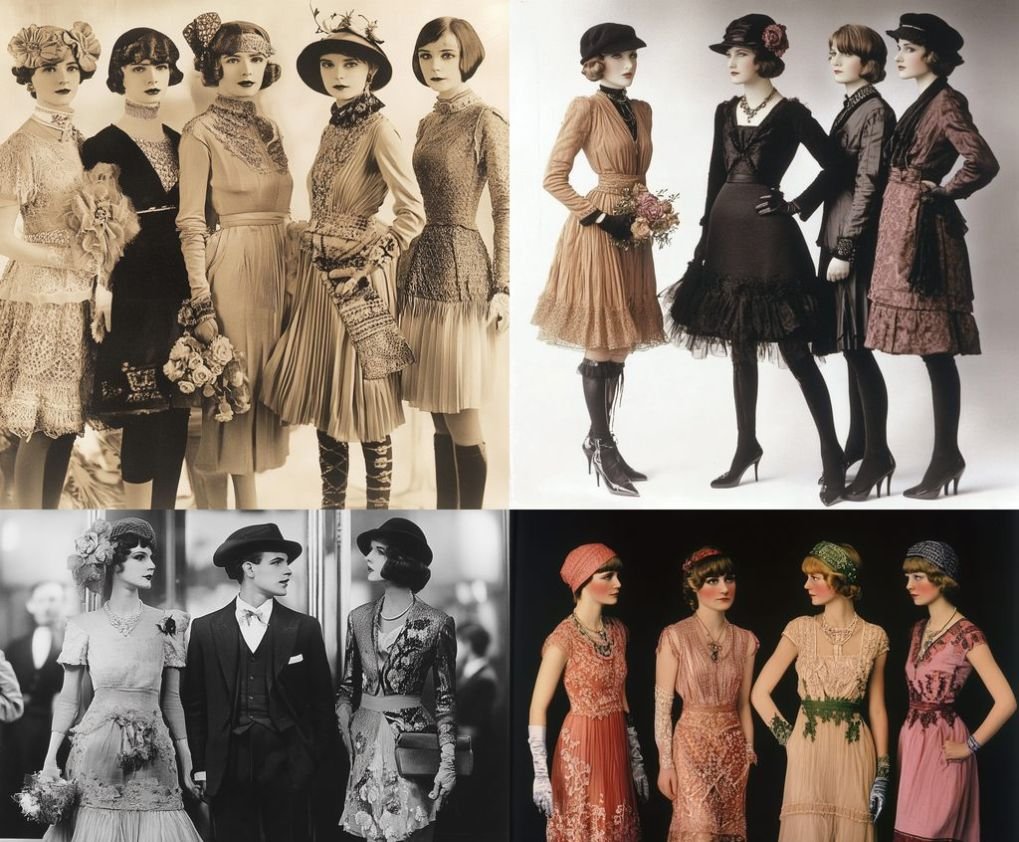
The 1920s was a decade of bold change, cultural freedom, and unforgettable fashion. Known as the Roaring Twenties or the Jazz Age, this era introduced the world to the flapper — a modern woman who challenged traditional norms through her lifestyle and clothing. Flapper fashion became a symbol of independence, confidence, and social transformation.
In this guide, we’ll explore everything you need to know about 1920s flapper fashion, including dresses, accessories, and hairstyles that defined the decade.
The Rise of Flapper Fashion
After World War I, society began to change rapidly. Women gained more independence, entered the workforce, and even won the right to vote in many countries. Fashion reflected this new freedom. Heavy corsets and long, restrictive skirts were replaced with loose, comfortable silhouettes.
Flapper fashion was all about movement, ease, and modern style. Clothes became shorter, lighter, and more playful — perfect for dancing to jazz music in lively clubs and speakeasies.
Iconic 1920s Flapper Dresses
The flapper dress is the most recognizable symbol of 1920s fashion. It featured several unique characteristics:
1. Drop Waist Silhouette
Unlike earlier styles that emphasized the natural waist, flapper dresses had a drop waist that sat lower on the hips. This created a straight, relaxed shape rather than a curvy silhouette.
2. Shorter Hemlines
For the first time, dresses rose to knee length. This was considered daring at the time but allowed women to move freely while dancing popular styles like the Charleston.
3. Fringe and Beading
Fringe, sequins, and intricate beadwork were popular details. These embellishments shimmered under dance hall lights and enhanced movement.
4. Lightweight Fabrics
Designers used materials like silk, chiffon, satin, and velvet. These fabrics flowed beautifully and added elegance to the simple shapes.
5. Art Deco Influence
Geometric patterns and bold designs inspired by the Art Deco movement appeared frequently in flapper dress designs.
Flapper dresses were both glamorous and practical — a perfect combination for modern women of the 1920s.
Essential Flapper Accessories
Accessories completed the flapper look and often made bold statements.
1. Cloche Hats
The close-fitting cloche hat was extremely popular. Worn low over the forehead, it gave women a sleek and fashionable appearance.
2. Long Pearl Necklaces
Long strands of pearls were layered or tied in knots. They added elegance and movement to the simple dress shapes.
3. Headbands and Feathers
Decorative headbands, often featuring feathers, beads, or jewels, were worn across the forehead. They became a signature flapper accessory.
4. Gloves
Elbow-length gloves were commonly worn for formal occasions and evening events.
5. T-Strap and Mary Jane Shoes
Comfortable yet stylish, these shoes were designed for dancing and often featured small heels and decorative buckles.
6. Cigarette Holders
Although controversial today, long cigarette holders became a symbol of rebellion and independence during the 1920s.
Accessories allowed flappers to express personality while maintaining a coordinated and glamorous look.
Popular 1920s Hairstyles
Hairstyles were just as important as clothing in defining flapper style.
1. The Bob Haircut
The bob was the most revolutionary hairstyle of the decade. Women cut their hair short — sometimes for the first time in their lives. The style symbolized freedom and modern thinking.
2. Finger Waves
Finger waves created soft, sculpted waves close to the head. This glamorous look was popular for parties and formal occasions.
3. Sleek and Shiny Styles
Hair was often styled with pomade or gel to achieve a smooth, polished finish.
Short hair represented independence and broke away from traditional long hairstyles of earlier generations.
Makeup Trends of the Flapper Era
Flappers embraced bold makeup, which was previously considered inappropriate for respectable women.
- Dark, smoky eyes with kohl eyeliner
- Thin, arched eyebrows
- Deep red or plum lipstick in a cupid’s bow shape
- Pale, powdered skin
Makeup enhanced the dramatic and glamorous appearance of flapper fashion.
The Cultural Impact of Flapper Fashion
Flapper style was more than just clothing. It represented a shift in women’s roles in society. The fashion reflected:
- Greater independence
- Social freedom
- Changing gender norms
- A rejection of strict Victorian values
Through fashion, women expressed confidence, rebellion, and individuality. The flapper became a symbol of empowerment.
Flapper Fashion in Modern Times
Today, flapper fashion continues to inspire designers and costume trends. Elements like fringe dresses, Art Deco patterns, pearl necklaces, and bob hairstyles still appear in modern fashion collections.
The 1920s remain one of the most influential decades in fashion history because they marked the beginning of truly modern women’s style.
Conclusion
1920s flapper fashion was bold, glamorous, and revolutionary. From drop-waist dresses and shimmering fringe to cloche hats and bobbed hair, every detail reflected the spirit of freedom and change.
More than just a trend, flapper fashion represented a new era for women — one filled with confidence, independence, and self-expression. Even today, the timeless elegance and daring spirit of the flapper continue to influence fashion around the world.
If you’re inspired by vintage style, adding flapper-inspired pieces to your wardrobe is a beautiful way to celebrate one of fashion’s most iconic eras.