
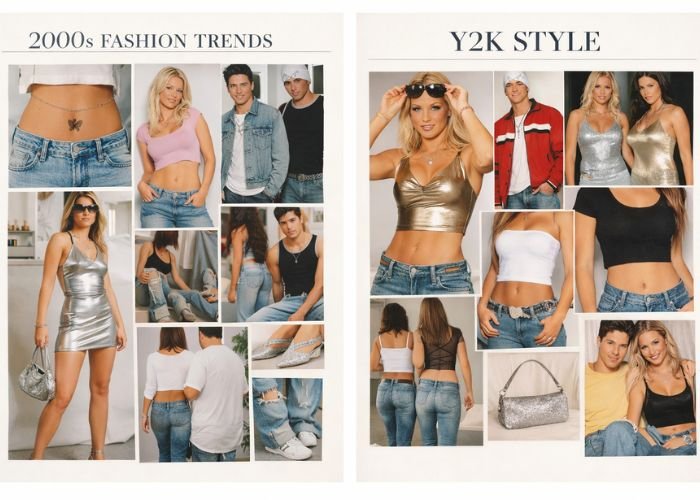
The world of 2000s fashion is officially back—and bigger than ever in 2026. From low-rise jeans and velour tracksuits to bold accessories and celebrity-inspired outfits, the early 2000s created some of the most iconic (and controversial) style moments in fashion history.
Today, Y2K fashion is trending again on social media, runways, and street style. But this time, it’s being worn with a modern twist.
In this guide, you’ll discover:
- The biggest 2000s fashion trends
- Iconic early 2000s outfits
- How to recreate Y2K looks in 2026
- Must-have pieces & styling tips
Defining 2000s Fashion
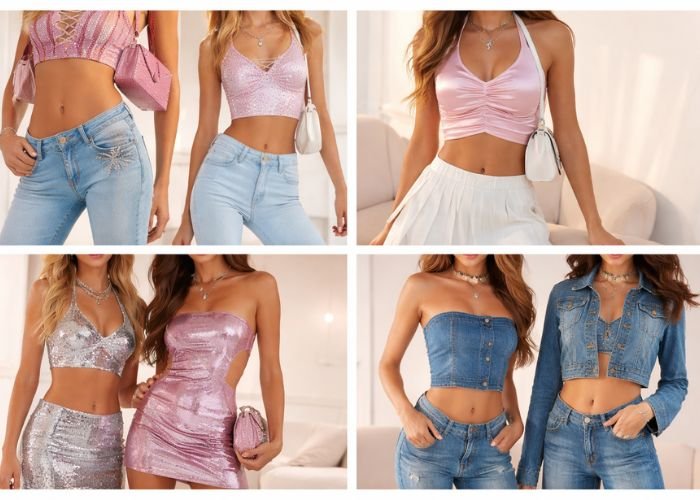
2000s fashion can be characterized by its diversity and rapid evolution. The decade did not follow a single dominant aesthetic; instead, it moved through multiple distinct phases influenced by economic conditions, pop culture, and technological change.
Key Characteristics:
- A blend of futuristic and casual styles
- Strong influence of celebrity culture
- Increased accessibility through fast fashion
- The normalization of denim across all occasions
The rise of digital platforms allowed trends to spread globally in real time, fundamentally changing how fashion was consumed.
Historical Context & Cultural Shifts
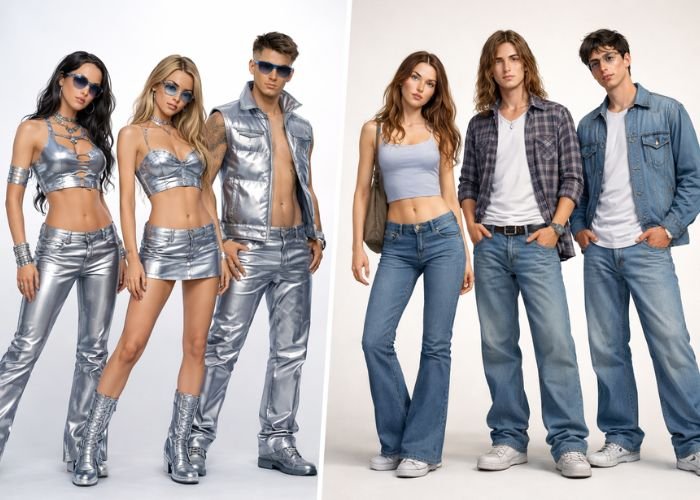
The early 2000s began with optimism about the future, reflected in sleek, tech-inspired designs. However, global events quickly reshaped consumer behavior.
Post-2001 Shift:
After the September 11 attacks, fashion trends in the United States and beyond shifted toward:
- Conservative silhouettes
- Neutral color palettes
- Practical, everyday clothing
Economic uncertainty also played a role, encouraging consumers to favor versatile and affordable garments.
Top 25 Iconic 2000s Fashion Trends
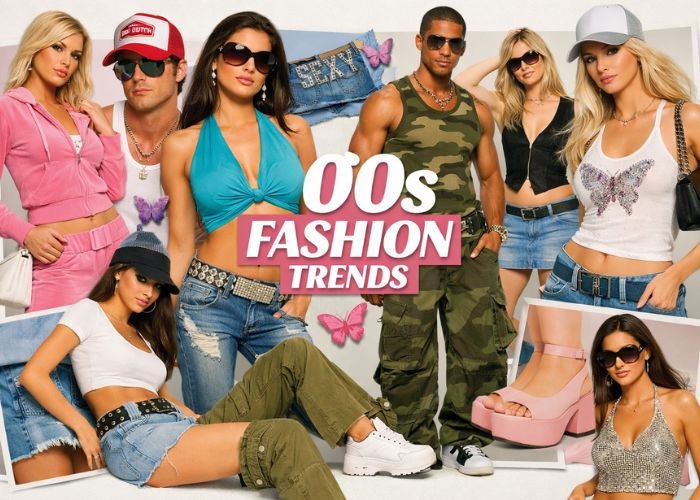
Here are the most unforgettable trends from the decade:
- Low-rise jeans
- Baby tees
- Cargo pants
- Denim-on-denim
- Rhinestone tops
- Butterfly clips
- Chunky belts
- Halter tops
- Tube tops
- Logo handbags
- Velour tracksuits
- Mini skirts
- Ugg boots
- Trucker hats
- Oversized sunglasses
- Platform shoes
- Graphic tees
- Layered tank tops
- Puffer jackets
- Skinny scarves
- Studded accessories
- Metallic fabrics
- Flared jeans
- Boho dresses
- Statement jewelry
Womenswear in the 2000s
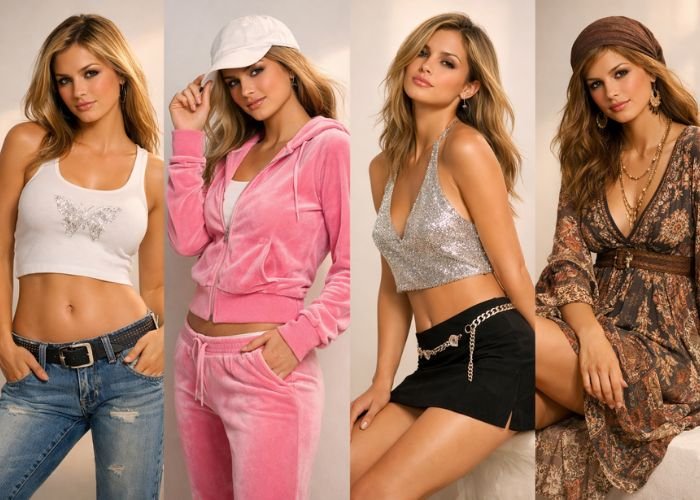
Early 2000s Fashion (2000–2005)
At the start of the decade, women’s fashion embraced experimentation and bold styling choices.
Dominant Trends:
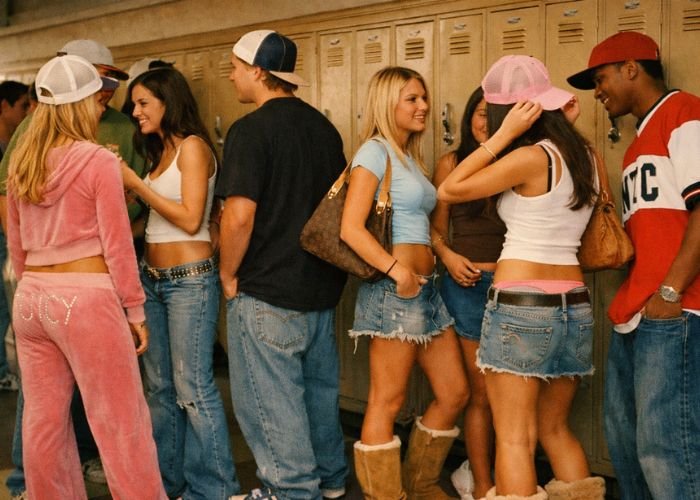
- Low-rise jeans paired with cropped tops
- Denim mini skirts
- Metallic fabrics and futuristic tones
- Velour tracksuits
- Bohemian (boho) influences
Celebrities such as Paris Hilton and Britney Spears played a central role in popularizing these looks, often appearing in paparazzi photographs that were widely circulated online.
The “boho-chic” aesthetic emerged as a more refined evolution of 1990s grunge, incorporating vintage-inspired garments styled in a more polished manner.
Mid to Late 2000s Fashion (2005–2009)
As the decade progressed, fashion moved toward more structured and tailored silhouettes.
Key Developments:
- The introduction and widespread adoption of skinny jeans
- Increased popularity of fitted dresses and defined waistlines
- A return to vintage-inspired tailoring (1940s and 1980s influences)
Designers such as Alexander McQueen contributed to this shift by presenting collections that emphasized femininity and structure.
Additionally, the rise of “It items” became a defining feature of the decade—specific products that achieved widespread popularity due to celebrity endorsement and media exposure.
Menswear in the 2000s
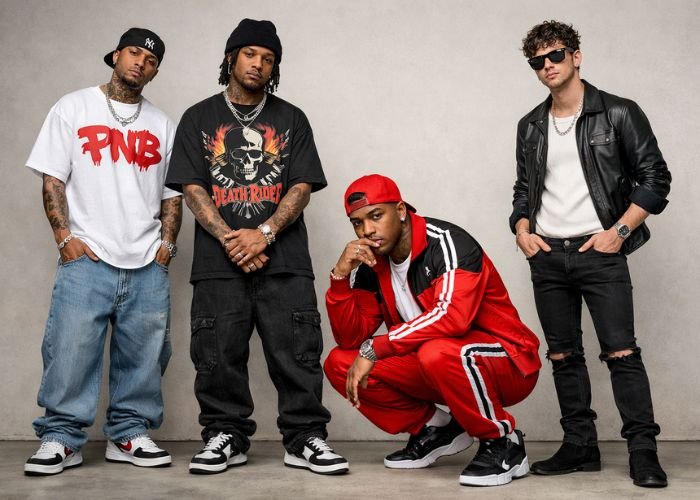
Men’s fashion during the 2000s was shaped by two dominant cultural influences: hip-hop culture and indie music scenes.
Early Trends:
- Tracksuits and sportswear
- Baggy jeans and oversized silhouettes
- Polo shirts and layered casualwear
Mid to Late Trends:
- Slim-fit tailoring influenced by European designers
- Skinny jeans and fitted blazers
- Indie/emo-inspired styling
Figures such as Justin Timberlake and Kanye West influenced mainstream adoption of these styles.
The coexistence of oversized and slim silhouettes during the same decade highlights the diversity of 2000s menswear.
The Role of Denim in the 2000s
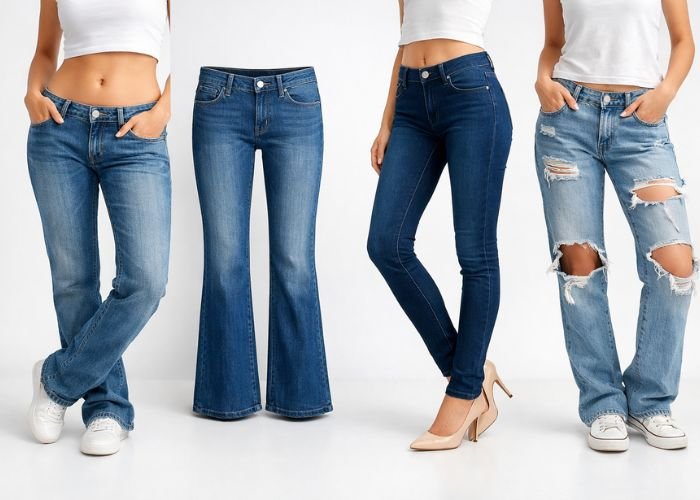
Denim was the most consistent and influential element of 2000s fashion.
Evolution of Denim Trends:
- Early 2000s: Low-rise, flared jeans
- Mid-2000s: Bootcut styles
- Late 2000s: Skinny jeans
Distressed denim—featuring rips, fraying, and fading—became particularly popular, reflecting a preference for casual, worn-in aesthetics.
Denim was worn across all settings, including occasions that had previously required more formal attire, signaling a broader shift toward casualization in fashion.
The Rise of Fast Fashion
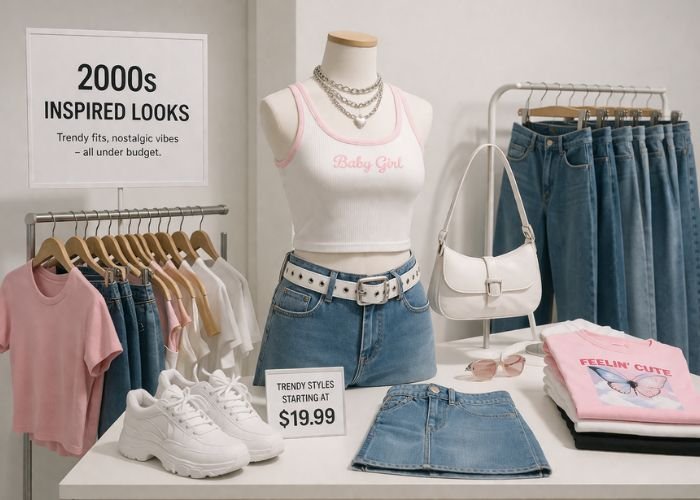
The 2000s saw the rapid expansion of fast fashion, fundamentally changing the industry.
Retailers began collaborating with high-end designers to produce affordable collections. A notable example is the 2004 collaboration between H&M and Karl Lagerfeld, which demonstrated the commercial potential of designer partnerships.
Key Impacts:
- Faster production cycles
- Increased accessibility of trends
- Growth of global retail chains
Online shopping also expanded significantly, allowing consumers to purchase fashion items more conveniently than ever before.
Technology & Media Influence

Technology played a central role in shaping fashion in the 2000s.
Major Changes:
- The rise of e-commerce
- Instant sharing of celebrity images online
- Increased influence of digital media
Fashion trends were no longer confined to magazines or runway shows; instead, they spread rapidly through the internet, reaching a global audience.
Celebrity Culture & Fashion
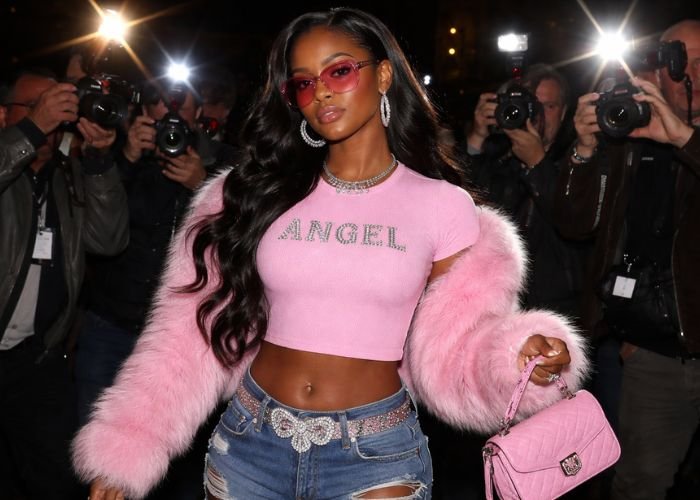
Celebrity influence reached unprecedented levels during the 2000s.
Public figures such as Paris Hilton became synonymous with the decade’s fashion identity. Through constant media exposure, celebrities shaped consumer preferences and drove demand for specific styles.
This era marked the beginning of a shift toward influencer-driven fashion, a trend that continues today.
Y2K Aesthetic and Its Legacy
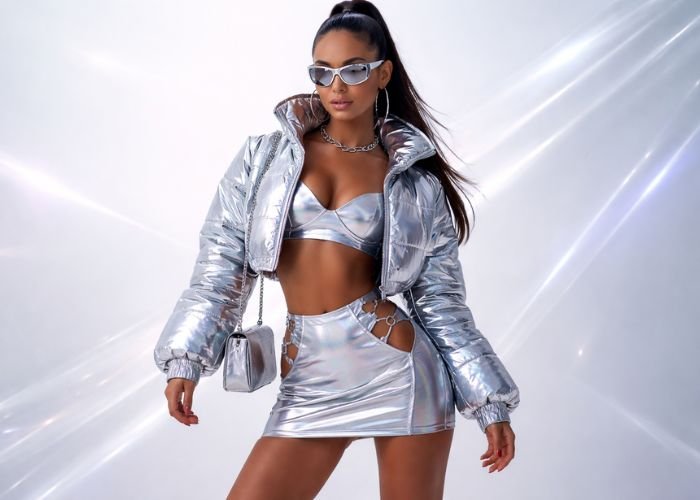
The term Y2K fashion refers specifically to the futuristic and experimental styles associated with the turn of the millennium.
Core Elements:
- Metallic fabrics
- Futuristic silhouettes
- Tech-inspired accessories
While Y2K represents only a portion of the decade, it has become the most recognizable and revived aspect of 2000s fashion in recent years.
How to Dress 2000s Fashion in 2026
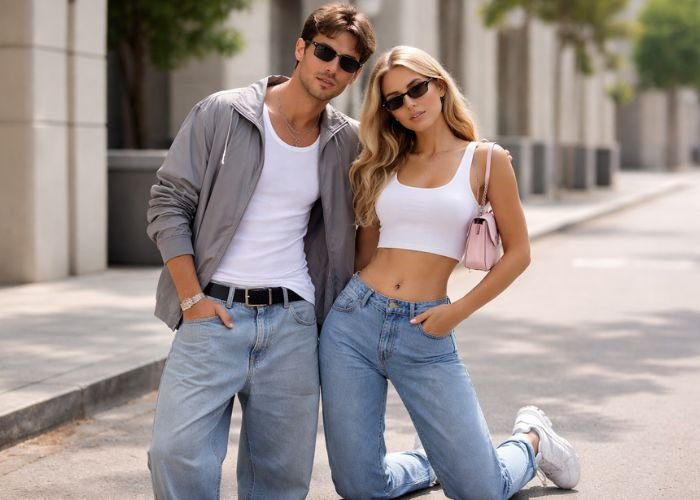
Modern Styling Tips:
DO:
- Mix vintage with modern basics
- Choose one statement piece
- Keep silhouettes balanced
DON’T:
- Overdo accessories
- Go full costume mode
- Ignore fit and tailoring
Example:
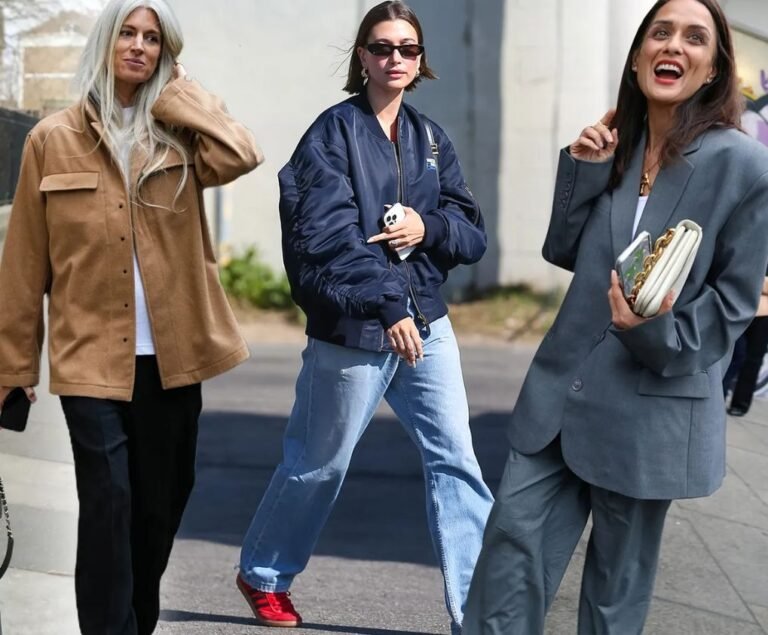
Instead of full low-rise outfits
👉 Pair mid-rise jeans + cropped top for a modern vibe
Why 2000s Fashion Is Relevant Today (2026)
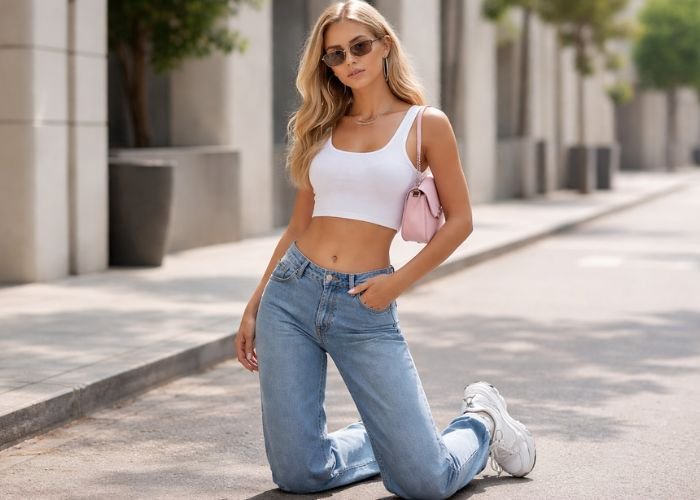
The resurgence of 2000s fashion in 2026 can be attributed to cyclical trends and digital culture.
Contributing Factors:
- Nostalgia-driven fashion cycles
- Social media platforms amplifying vintage aesthetics
- Renewed interest in individuality and expressive style
Modern interpretations of 2000s trends often incorporate updated fits and styling, making them more adaptable to contemporary preferences.
FAQs
What was popular in 2000s fashion?
Low-rise jeans, tracksuits, mini skirts, and bold accessories dominated the decade.
What is Y2K fashion?
Y2K fashion is a style inspired by early 2000s trends, featuring futuristic and playful elements.
Are 2000s trends coming back?
Yes, 2000s fashion is one of the biggest trends in 2026.
What jeans were popular in the 2000s?
Low-rise, flared, bootcut, and later skinny jeans were popular.
Conclusion
2000s fashion was defined by its adaptability, diversity, and cultural responsiveness. From futuristic beginnings to a more structured and refined aesthetic, the decade reflects broader social and technological changes.
Its lasting influence is evident in today’s revival of Y2K style, demonstrating how fashion continually reinvents itself while drawing from the past.
Understanding fashion in the 2000s provides valuable insight into the evolution of modern style—and explains why this dynamic decade continues to inspire designers and consumers alike.