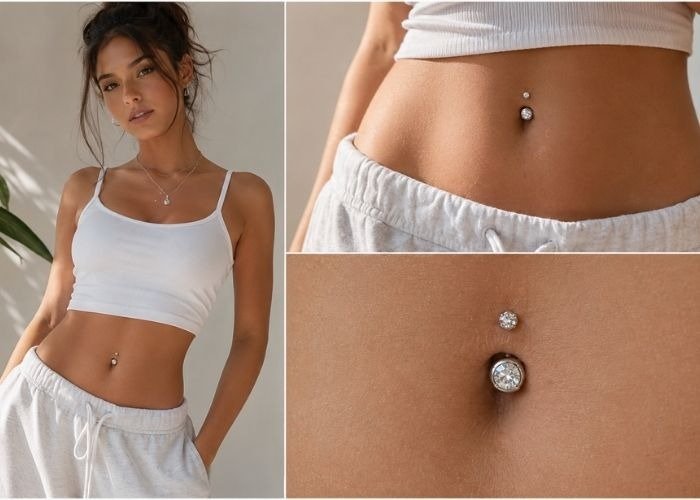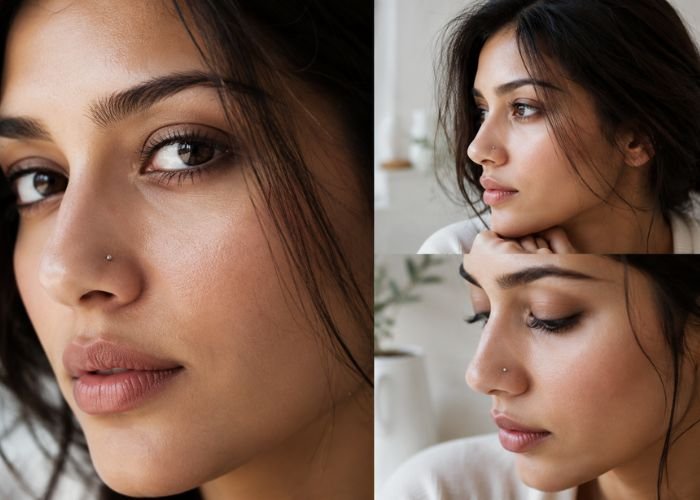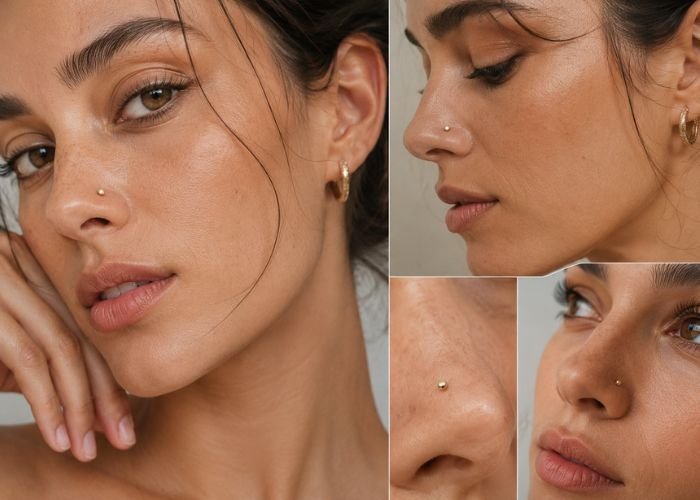

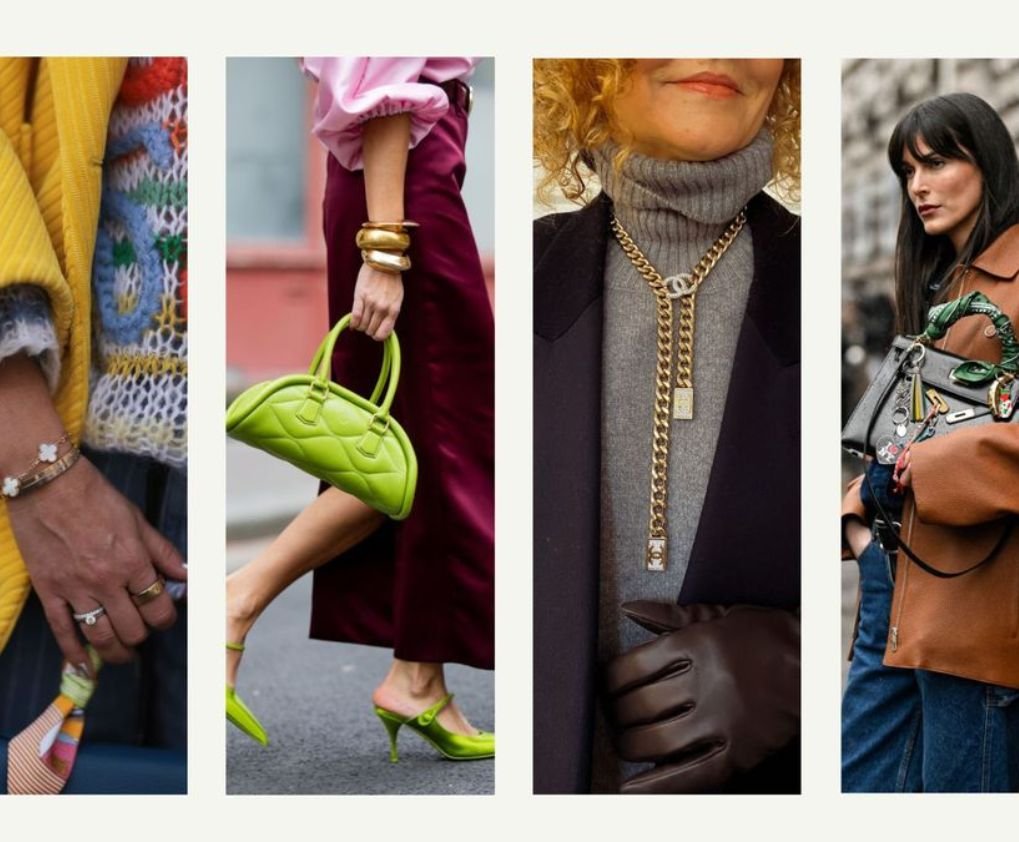
Accessorizing is one of the easiest ways to upgrade your outfits without buying new clothes. The right accessories can turn a basic look into a stylish one, add personality to your outfit, and help you feel more confident in what you wear. If you are new to fashion or often feel unsure about styling accessories, this beginner’s guide will help you understand how to accessorize outfits in a simple and practical way.
What Does It Mean to Accessorize an Outfit?
Accessorizing means adding items like jewelry, bags, belts, shoes, scarves, hats, or sunglasses to complete your outfit. Accessories enhance your clothing and bring balance, color, and style to your overall look. They allow you to express your personal style without changing your entire wardrobe.
Good accessorizing is not about wearing everything at once. It is about choosing the right pieces that complement your outfit.
Start With the Outfit First
Before selecting accessories, always look at your outfit first. Notice the colors, fabric, fit, and overall style. Simple outfits work best as a base for accessories. For example, a plain dress, a basic top with jeans, or a neutral co-ord set can be styled in many ways with different accessories.
If your outfit already has bold prints, heavy embroidery, or bright colors, keep your accessories minimal. If your outfit is plain, you can use accessories to add interest.
Choose Accessories Based on the Occasion
Accessories should match where you are going.
For casual outfits, choose comfortable and easy pieces like small earrings, simple necklaces, crossbody bags, sneakers, or flats. These add style without looking overdone.
For work or office wear, go for clean and structured accessories. Minimal jewelry, neutral handbags, classic belts, and closed shoes create a professional and polished look.
For formal events or parties, you can experiment more. Statement jewelry, elegant heels, clutches, or layered accessories can elevate your outfit and make it stand out.
Use Color Wisely
Color coordination is an important part of accessorizing outfits. A simple rule for beginners is to match accessories with one color from your outfit. This creates a neat and coordinated look.
Neutral accessories like black, beige, brown, gold, or silver are easy to style and work with most outfits. Once you feel confident, you can add contrast using bright bags, colorful shoes, or bold jewelry.
Avoid using too many colors at once. Keeping your accessories within two or three shades usually looks more stylish.
Balance the Size of Accessories
The size of your accessories should match your outfit. Delicate outfits pair well with small and subtle accessories, while structured or oversized clothing can handle bolder pieces.
If you are wearing statement earrings, keep your necklace simple or skip it altogether. If your necklace is bold, choose smaller earrings. Highlighting one or two accessories at a time keeps your look balanced and clean.
Match Accessories With Necklines
Your neckline plays a big role in choosing accessories.
- V-neck tops look great with pendant necklaces
- High-neck or turtleneck outfits pair well with statement earrings
- Off-shoulder or strapless outfits work beautifully with chokers or layered necklaces
Matching accessories to your neckline creates harmony in your outfit.
Use Belts to Add Shape
Belts are functional and stylish accessories. They can define your waist, add structure to loose outfits, and break up solid colors. Thin belts offer a subtle touch, while wide belts create a bold statement.
Belts work especially well with dresses, oversized shirts, blazers, and high-waist bottoms.
Layer Accessories for a Stylish Look
Layering accessories adds depth to your outfit. You can layer necklaces of different lengths, stack bracelets, or wear multiple rings. Beginners should start with light layering and similar colors or metals to keep things simple.
Scarves are also great layering accessories. They add color, texture, and interest to plain outfits and work across seasons.
Shoes and Bags Are Key Accessories
Shoes and bags are essential parts of accessorizing outfits. They can completely change the mood of your look.
Sneakers give a relaxed and casual vibe, while heels or boots add structure and elegance. Choose shoes that suit the occasion and outfit style.
Bags should balance both fashion and function. Totes are perfect for daily wear, while small handbags or clutches work best for formal occasions. Matching your bag with your shoes is a simple styling trick that always looks polished.
Consider Fabric and Texture
Accessories should match the fabric weight of your outfit. Light fabrics like cotton and linen look best with delicate accessories, while heavier fabrics like denim or wool can handle chunky jewelry and structured bags.
Mixing textures—such as leather bags with soft fabrics or metal jewelry with knitwear—adds visual interest without using bold colors.
Accessorize According to the Season
Seasonal accessories make outfits look more natural.
- Summer: sunglasses, straw bags, light jewelry
- Winter: scarves, boots, gloves, structured handbags
- Spring and fall: layered jewelry, belts, ankle boots
Choosing season-appropriate accessories improves both comfort and style.
Build a Basic Accessory Collection
Beginners should focus on versatile essentials such as:
- Neutral handbag
- Simple gold or silver jewelry
- Comfortable everyday shoes
- Classic belt
- Lightweight scarf
These pieces work with many outfits and make daily accessorizing easy.
Trust Your Personal Style
Fashion rules are helpful, but personal comfort and confidence matter most. Accessories should reflect who you are. If you prefer minimal looks, stick to clean and simple designs. If you enjoy bold fashion, experiment with colors and statement pieces.
Final Thoughts
Learning how to accessorize outfits takes practice, but it doesn’t have to be complicated. Start simple, focus on balance, match accessories to the occasion, and choose pieces that make you feel confident. With the right accessories, even basic outfits can look stylish, polished, and complete.