
The 1990s were a defining era for underground music, youth culture, and bold fashion. Among the most distinctive trends of that decade was 90s rave fashion, a vibrant and expressive style born from the electronic dance music scene. Rave culture emerged in warehouses, clubs, and outdoor festivals where music, freedom of expression, and individuality were celebrated. The fashion associated with these events quickly became just as iconic as the music itself.
From neon colors and oversized clothing to futuristic accessories and glow-in-the-dark details, 90s rave fashion reflected the energy and creativity of the rave community. Even today, many of these elements continue to influence modern festival wear and street style.
The Origins of 90s Rave Fashion
Rave culture began gaining popularity in the late 1980s and exploded during the 1990s, especially in cities known for electronic music scenes. As DJs and electronic music genres like techno, house, and trance grew in popularity, a unique fashion culture followed.
Unlike traditional fashion trends, rave style wasn’t dictated by designers or fashion houses. Instead, it evolved organically from youth culture. Ravers created outfits that were comfortable for dancing all night while also reflecting the colorful, psychedelic atmosphere of rave parties.
Freedom of expression played a major role. People used clothing, accessories, and makeup to show individuality and creativity. As a result, rave fashion became known for its playful, unconventional, and sometimes futuristic aesthetic.
Bright Neon Colors and Psychedelic Patterns
One of the most recognizable aspects of 90s rave fashion was its use of bright neon colors. Electric shades of green, pink, yellow, and orange dominated rave outfits. These vibrant hues stood out under black lights often used at rave parties, making them even more eye-catching on the dance floor.
Psychedelic patterns were also common. Swirls, tie-dye prints, geometric designs, and holographic fabrics helped create the surreal and energetic vibe associated with rave culture. These bold visuals reflected the high-energy atmosphere of electronic music events.
Many ravers combined multiple bright colors in a single outfit, creating a playful and chaotic look that perfectly matched the music and environment.
Oversized and Comfortable Clothing
Comfort was a major priority for ravers who often danced for hours at a time. This led to the popularity of baggy and oversized clothing in rave fashion.
Some common clothing pieces included:
- Baggy pants and parachute pants
- Oversized graphic T-shirts
- Loose tank tops
- Colorful windbreakers
- Wide-leg jeans
These relaxed fits allowed for freedom of movement and ventilation in crowded dance environments. The oversized silhouettes also contributed to the distinctive streetwear-inspired look of the rave scene.
Platform Shoes and Chunky Sneakers
Footwear played an important role in completing the 90s rave aesthetic. Many ravers opted for platform shoes or chunky sneakers that added height and a futuristic vibe to their outfits.
Platform boots were especially popular among women, often paired with mini skirts or colorful tights. Meanwhile, chunky sneakers became a staple for both men and women, combining comfort with bold design.
These shoes not only looked stylish but also provided the support needed for long nights of dancing.
Glow Accessories and Futuristic Details
Accessories were essential in creating the iconic rave look. Many ravers used glow-in-the-dark and reflective items that would shine under club lighting.
Popular rave accessories included:
- Glow sticks
- LED jewelry
- Reflective sunglasses
- Bucket hats
- Face gems and glitter
- Body paint
Glow sticks, in particular, became symbolic of rave culture. They were often worn as bracelets, necklaces, or used during dance routines to create glowing visual effects.
These accessories added a playful and futuristic element to rave outfits, making them stand out even more in dark club environments.
Kandi Culture and Friendship Bracelets
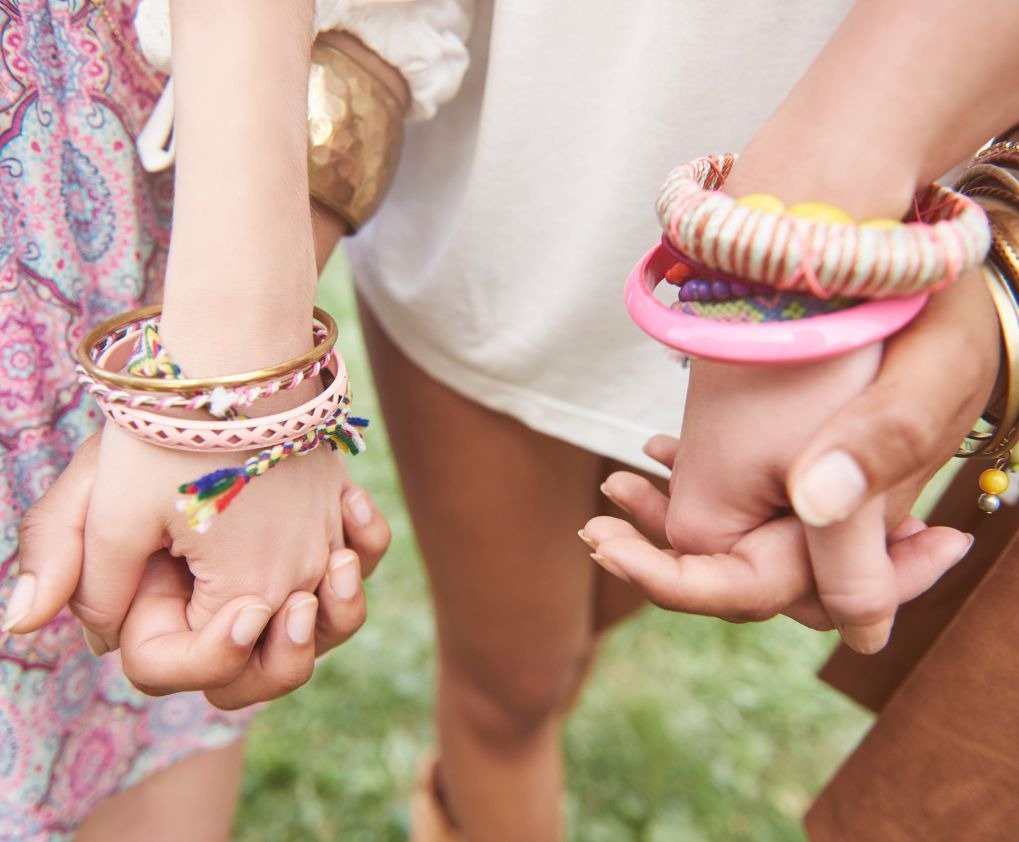
One of the most meaningful elements of rave fashion was kandi bracelets. These colorful beaded bracelets were handmade and often traded among ravers as a symbol of friendship and community.
Kandi culture reflected the core rave values often summarized by the acronym PLUR: Peace, Love, Unity, and Respect.
Exchanging bracelets became a ritual within the rave community, helping strangers connect and build a sense of belonging. This tradition continues today at many music festivals and rave events around the world.
The Influence of 90s Rave Fashion Today
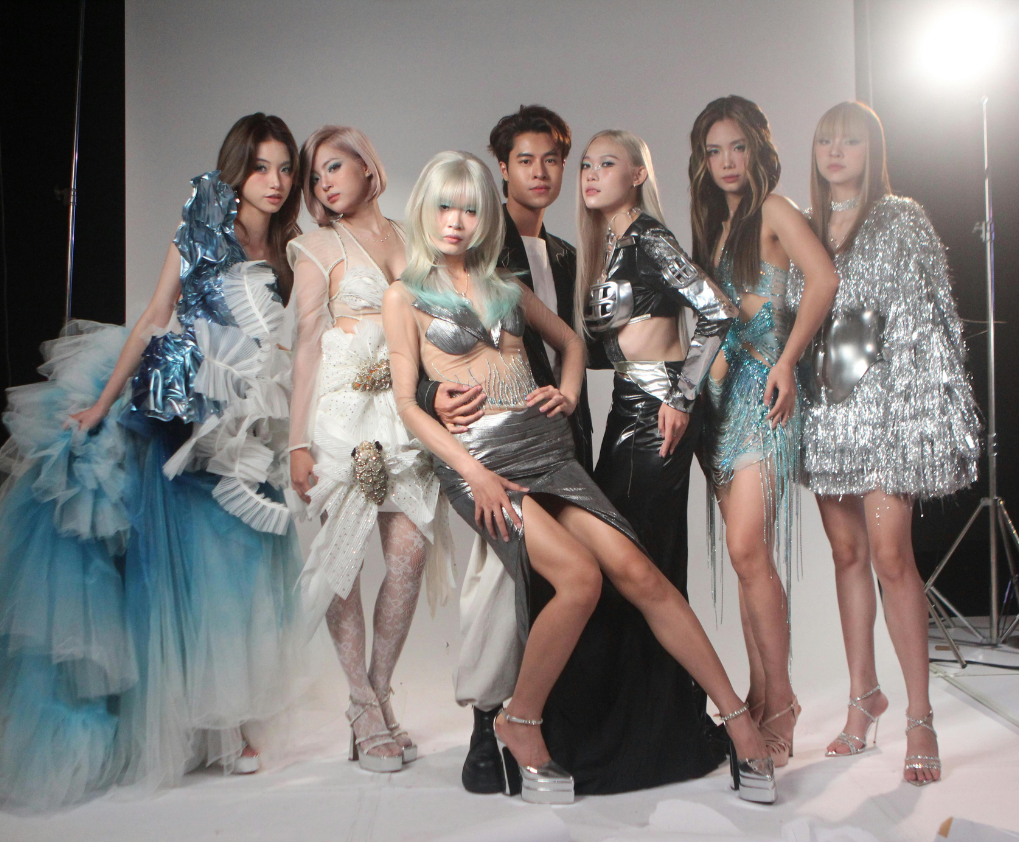
Although rave culture began decades ago, its fashion influence is still visible today. Many modern music festivals feature outfits inspired by classic rave style.
Contemporary festival fashion often includes:
- Neon bodysuits
- Holographic fabrics
- Platform boots
- Mesh tops and fishnet layers
- LED accessories
Major fashion brands and designers have also embraced elements of rave aesthetics, incorporating bright colors, oversized silhouettes, and futuristic details into modern streetwear collections.
Social media platforms and music festivals have helped revive interest in 90s rave fashion, making it popular among younger generations.
Why 90s Rave Fashion Remains Iconic
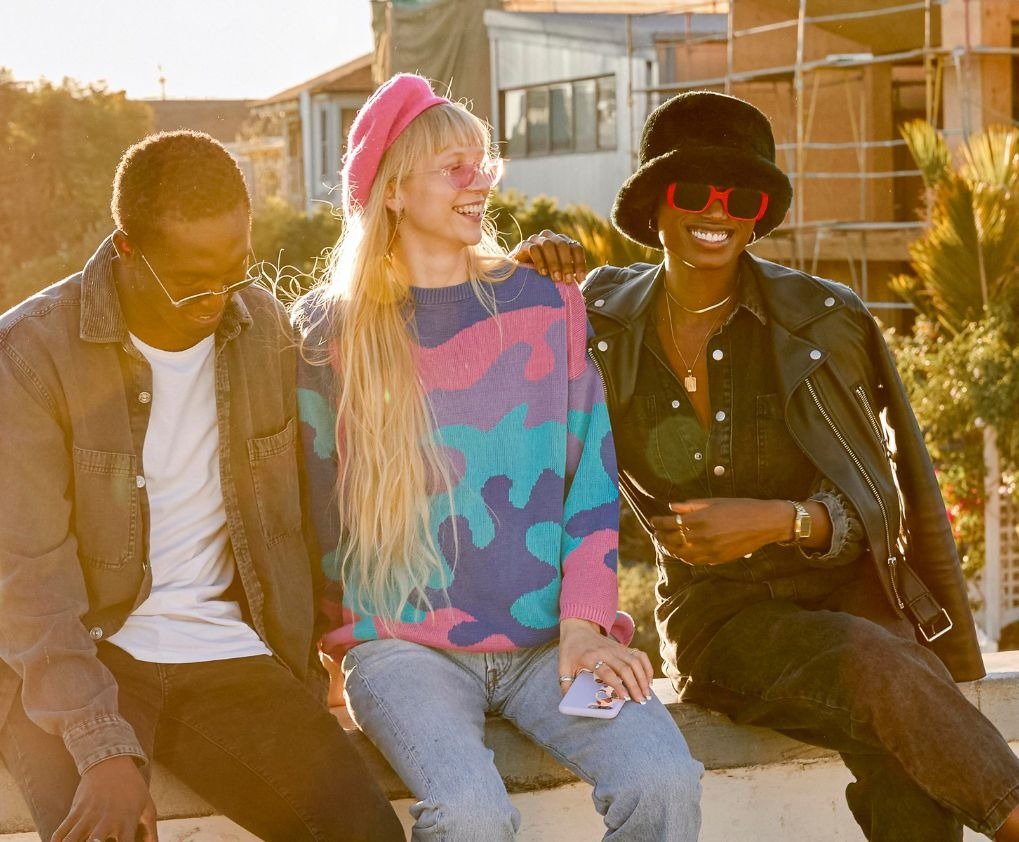
What makes 90s rave fashion truly special is its connection to culture and self-expression. It wasn’t just about clothing—it represented creativity, freedom, and community.
Ravers used fashion to stand out, experiment with bold styles, and express their personality without limitations. The playful spirit of rave culture encouraged individuality and inclusivity, values that continue to resonate today.
As retro fashion trends return, the colorful and expressive style of the 90s rave scene remains a source of inspiration for fashion lovers, festival-goers, and designers alike.
Conclusion
90s rave fashion was more than just a trend—it was a cultural movement that blended music, creativity, and self-expression. From neon outfits and oversized clothing to glowing accessories and kandi bracelets, every element contributed to the vibrant identity of rave culture.
Today, the influence of this era continues to shape festival fashion and modern streetwear. Whether you’re attending a music festival or simply exploring retro-inspired style, the bold and energetic spirit of 90s rave fashion remains as exciting as ever.
FAQs
1. What is 90s rave fashion?
90s rave fashion refers to the colorful, oversized, and futuristic clothing styles worn at electronic music rave events during the 1990s.
2. What colors were popular in 90s rave outfits?
Bright neon colors such as pink, green, yellow, and orange were commonly used because they glowed under black lights.
3. What are kandi bracelets in rave culture?
Kandi bracelets are handmade beaded bracelets exchanged between ravers as symbols of friendship and the PLUR philosophy.
4. Is 90s rave fashion still popular today?
Yes, many modern music festivals and fashion trends continue to draw inspiration from 90s rave fashion styles.