

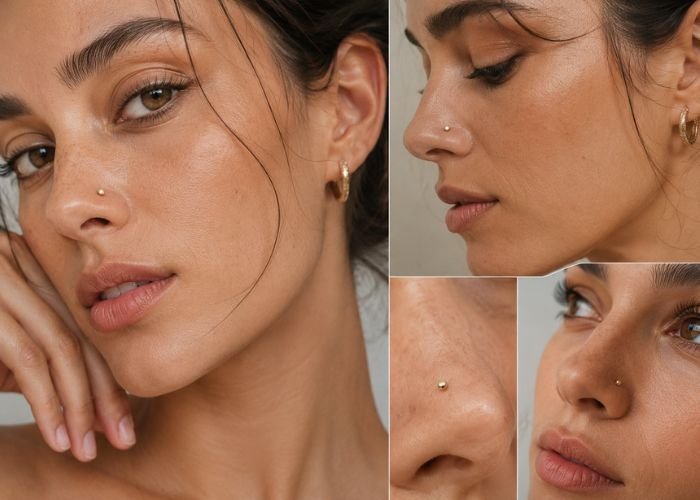
If you are getting your first nose piercing or shopping for nose jewelry, one of the first questions you will probably ask is: what gauge is a nose piercing? Understanding gauge sizes may sound confusing at first, but it is actually much simpler than it seems. The gauge of a nose piercing refers to the thickness of the jewelry that goes through your piercing, and choosing the right size matters more than most beginners realize.
In this guide, you will learn what gauge means, what the standard nose piercing size is, how different gauge sizes compare, how to choose jewelry safely, and what mistakes to avoid when switching nose rings or studs. We will also explain why using the wrong gauge can cause irritation, discomfort, or even affect healing. Whether you are completely new to piercings or simply want to buy the correct nose ring size, this beginner-friendly guide covers everything in simple language.
Quick Answer: The standard gauge size for a starter nose piercing is either 18G (1.0 mm) or 20G (0.8 mm). Most professional piercers use 18G for initial piercings because it provides better stability during the healing process.
What Does Gauge Mean in a Nose Piercing?
The word “gauge” refers to the thickness of body jewelry. In nose piercings, gauge size tells you how thick the metal post or ring is. One thing that confuses beginners is that smaller gauge numbers actually mean thicker jewelry. For example, a 16G nose ring is thicker than an 18G nose ring.
This numbering system is used for many body piercings, including ear, lip, eyebrow, and cartilage piercings. For nose piercings specifically, understanding gauge matters because your jewelry should fit comfortably without stretching or shrinking the piercing hole.
An insider secret most people overlook is that many people assume they can wear any cute nose ring they buy online.
The Golden Rule of Gauges: The higher the gauge number, the thinner the wire.
- 16G: Very Thick
- 18G: Standard/Medium
- 22G: Ultra-Thin In reality, wearing the wrong thickness may create irritation or cause the piercing to feel loose. If jewelry is too thin for your piercing, it can sometimes lead to the “cheese cutter effect,” where the jewelry slowly cuts into the skin.
For example, imagine your piercer used an 18G stud when you got pierced, but later you buy a 22G fashion ring because it looked stylish. Since the ring is thinner, your piercing may gradually shrink to fit the smaller jewelry. If you later try to wear your original 18G stud again, it might feel tight or uncomfortable.
What Is the Standard Gauge for a Nose Piercing?
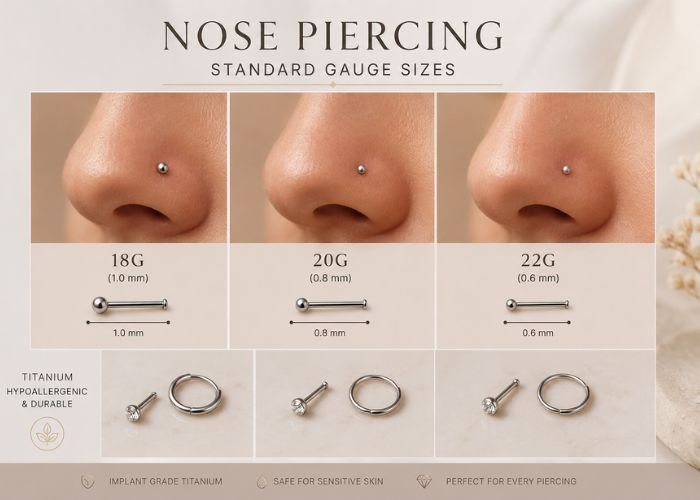
In most cases, the standard gauge for a nose piercing is 18G or 20G. These are the most commonly used sizes for nostril piercings and are widely available in nose studs, hoops, and rings.
18 Gauge (18G) — 1.0 mm
An 18G nose piercing measures approximately 1.0 mm in thickness. Many professional piercers prefer this size because it offers a good balance between stability and comfort. Since it is slightly thicker, it may reduce the chances of jewelry moving around too much during healing.
For beginners, 18G is often recommended because it feels secure and works well with different jewelry styles. If your piercer used an 18G needle, you will likely need jewelry in the same size unless advised otherwise.
20 Gauge (20G) — 0.8 mm
A 20G nose piercing measures around 0.8 mm thick. This size is slightly thinner and commonly used for delicate nose studs and dainty hoops. Many fashion nose rings sold online are available in 20G.
However, what most beginner guides fail to mention is that thinner jewelry is not always better. A common misconception beginners encounter is that thinner automatically means more comfortable or safer. While smaller pieces can look elegant, they may move more during healing or feel less stable compared to thicker options.
22 Gauge (22G) — 0.6 mm
Although less common, some people wear 22G jewelry, which measures approximately 0.6 mm thick. This is usually found in decorative fashion jewelry rather than initial piercing jewelry.
Most professional piercers do not recommend switching to 22G too soon because thinner jewelry may increase irritation or shrink the piercing channel over time.
Why Choosing the Right Gauge Matters
Many people think the gauge size only affects appearance, but it also affects comfort, healing, and long-term piercing health.
First, the right gauge helps your piercing heal properly. Fresh piercings need stable jewelry that stays in place and does not move excessively. Jewelry that is too thin may shift around more often, causing irritation bumps or redness.
Second, gauge affects comfort. If you accidentally wear jewelry that is too thick, inserting it may hurt or damage the piercing. On the other hand, jewelry that is too thin may feel unstable or uncomfortable.
What is not widely talked about is that changing gauge sizes too often can confuse beginners and lead to unnecessary problems. In many cases, sticking with the size your piercer originally used is the safest option.
For example, someone with an 18G piercing may assume a thinner ring will feel more comfortable. However, after weeks of wearing a thinner size, they may struggle to reinsert their original jewelry because the piercing hole slightly shrank.
How to Find Out What Gauge Your Nose Piercing Is
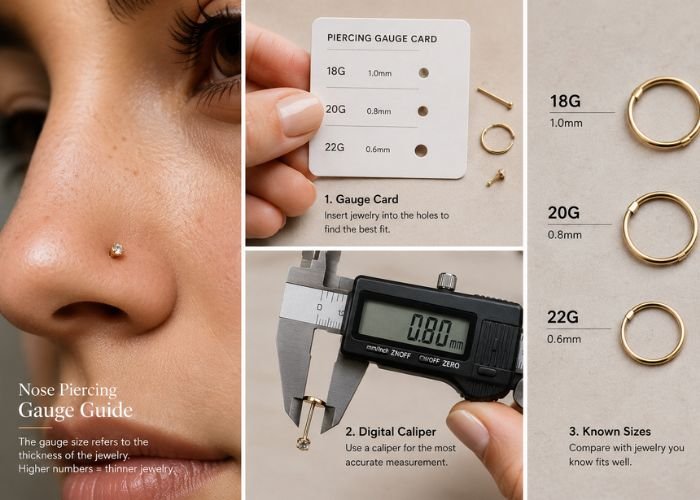
If you are unsure about your nose piercing gauge, there are several easy ways to figure it out.
Ask Your Piercer
The easiest and most reliable option is to contact the professional who pierced your nose. Most piercing studios keep records of jewelry size and placement.
Check Your Jewelry Packaging
If you still have the original packaging from your nose jewelry, the gauge size is often printed clearly on the label.
Measure the Jewelry
A digital caliper can help measure the thickness of your jewelry accurately. While this sounds technical, many people use affordable measuring tools when shopping for replacement jewelry online.
Visit a Professional Piercer
A professional piercer can quickly identify your gauge size and recommend jewelry that fits properly.
What most people overlook is that guessing rarely works. Many nose studs look almost identical in photos, but even a small thickness difference can affect comfort.
Nose Piercing Gauge Size Chart

| Gauge Size | Thickness (Metric) | Best Used For… |
| 18G | 1.0 mm | Initial professional piercings; offers maximum healing stability. |
| 20G | 0.8 mm | Delicate fashion jewelry; dainty hoops, and everyday studs. |
| 22G | 0.6 mm | Ultra-thin decorative jewelry; not recommended for healing piercings. |
Understanding these measurements makes shopping easier because many online stores list gauge alongside diameter and style.
Does Nose Piercing Gauge Affect Healing?
Yes, gauge size can affect healing more than beginners expect.
A fresh nose piercing is essentially a healing wound. Jewelry that moves too much may irritate the area and slow recovery. This is one reason many piercers prefer slightly thicker jewelry for initial piercings.
An 18G stud often provides better stability compared to thinner jewelry. During healing, stability matters because movement may increase swelling or discomfort.
What most guides miss is that healing is not only about cleaning routines. Jewelry fit also plays an important role. Even perfectly cleaned piercings may struggle if the jewelry size is wrong.
If your piercing is still healing, avoid switching gauge sizes unless a professional advises you to do so.
Common Mistakes Beginners Make With Nose Gauge Sizes
Avoid these frequent pitfalls to keep your piercing healthy:
- Buying for Looks Alone: A ring may look beautiful online, but if it is the wrong gauge, it will not fit properly or feel comfortable.
- Changing Jewelry Too Early: Fresh piercings need time to stabilize before experimenting with different sizes.
- Confusing Gauge with Diameter: Remember—Gauge refers to wire thickness, while Diameter refers to the physical width of a hoop.
- Buying Cheap Materials: Cheap jewelry often has inconsistent sizing. High-quality titanium or surgical steel is usually a safer option.
(For more beginner jewelry tips, check out our guide on How to Choose Safe Nose Jewelry for Sensitive Skin or Nose Stud vs Nose Ring: Which Is Better for Beginners?)
Best Nose Jewelry for Beginners
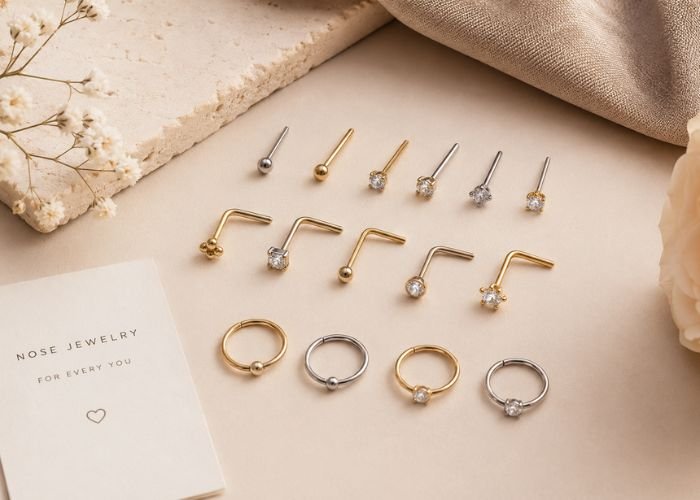
For most beginners, simple nose studs are easier to manage than hoops. Studs tend to move less, which may support healing.
Titanium jewelry is often recommended because it is lightweight and hypoallergenic. Surgical steel is another popular choice, although some people with metal sensitivities prefer implant-grade titanium.
Small, lightweight jewelry usually feels more comfortable during the early stages of healing. Oversized hoops may look fashionable but can move around too much.
If you are still deciding on jewelry styles, you may also enjoy reading “Different Types of Nose Piercings Explained” or “How Long Does a Nose Piercing Take to Heal?”
FAQs About Nose Piercing Gauges
What gauge is a standard nose piercing?
Most standard nostril piercings are either 18G or 20G, depending on your piercer and jewelry style.
Is 18G or 20G better for a nose piercing?
Neither is universally better. 18G is slightly thicker and more stable, while 20G looks more delicate.
Can I put a 20G nose ring in an 18G piercing?
Yes, you can physically insert it. However, wearing thinner jewelry long-term may cause your piercing channel to shrink slightly.
Does nose piercing gauge matter?
Yes. The correct gauge affects comfort, healing, and how securely jewelry fits over time.
How do I know my nose piercing size?
Ask your piercer, check your jewelry packaging, or visit a professional for accurate sizing.
Conclusion
Understanding nose piercing gauges may feel overwhelming at first, but once you know the basics, choosing jewelry becomes much easier. For most people, the answer to “what gauge is a nose piercing” is either 18G or 20G, with 18G being slightly thicker and often preferred for stability.
The most important thing to remember is that gauge size is not just about appearance. The right thickness can affect comfort, healing, and how your jewelry fits over time. If you are ever unsure, checking with a professional piercer is always the safest choice.
Save this guide for later when shopping for nose jewelry, and read this next: “Nose Stud vs Hoop: Which Style Should Beginners Choose?