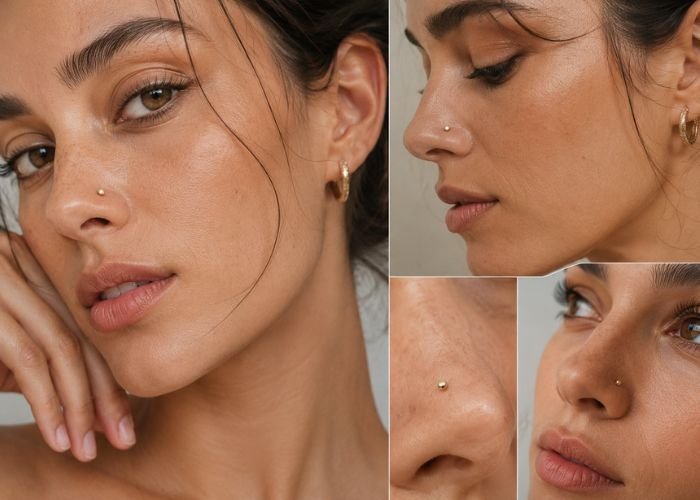


A nose piercing is one of the most popular forms of body jewelry, loved for its versatility and timeless style. Whether you’re getting your first nostril piercing or adding another piece to your collection, understanding the healing process is essential for a smooth recovery.
One of the most common questions people ask is, “How long does a nose piercing take to heal?” The answer is not always straightforward. While many piercings look healed on the outside within a few weeks, the tissue inside the piercing channel continues repairing itself for several months.
Knowing what to expect during each stage of healing can help you avoid common mistakes, identify potential problems early, and support your body’s natural recovery process.
In this guide, you’ll learn the typical nose piercing healing timeline, factors that affect healing, proper aftercare methods, and answers to frequently asked questions.
How Long Does a Nose Piercing Take to Heal?
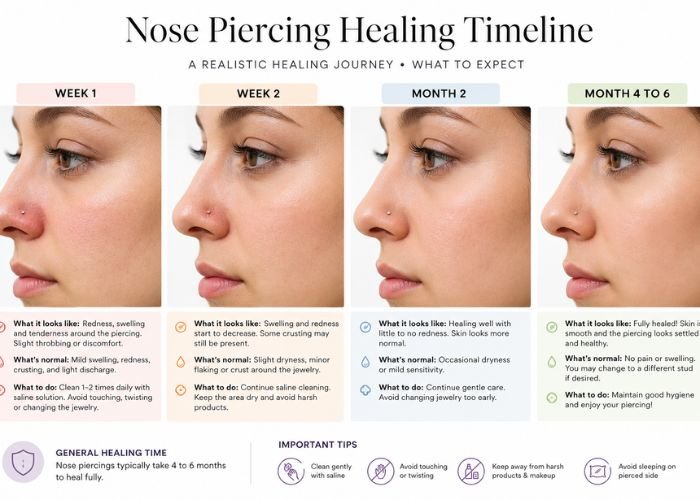
The average healing time depends on the type of piercing.
Typical Healing Times
- Nostril piercing: 4–6 months
- Septum piercing: 2–4 months
- High nostril piercing: 6–12 months
- Bridge piercing: 2–3 months
It’s important to remember that every body heals differently. Some people experience faster healing, while others require additional time depending on factors such as jewelry quality, aftercare, overall health, and accidental irritation.
A piercing that appears healed on the surface may still be healing internally.
Understanding the Nose Piercing Healing Process
When your nose is pierced, your body immediately begins repairing the wound.
The healing process generally includes:
- Inflammation
- Tissue repair
- Strengthening of the piercing channel
- Full maturation of the tissue
Each stage is important, and interrupting the process can delay healing or create complications.
Nose Piercing Healing Timeline: Week by Week
Week 1: The Fresh Piercing Stage
The first week is when the body’s inflammatory response is strongest.
What Is Normal?
You may experience:
- Mild swelling
- Tenderness
- Redness around the piercing
- Light bleeding
- Clear or white discharge
- Increased sensitivity
These symptoms are usually part of normal healing.
Example
If you accidentally bump your nose while washing your face, the piercing may become temporarily sore or swollen. This is common during the first few days.
What to Do
- Clean only with sterile saline solution.
- Wash your hands before touching the area.
- Avoid makeup around the piercing.
- Avoid sleeping directly on the piercing.
Week 2: Swelling Begins to Improve
During the second week, inflammation usually starts decreasing.
What You May Notice
- Less redness
- Reduced swelling
- Mild crust formation
- Improved comfort
Many people notice small crusts forming around the jewelry.
This crust is usually dried lymph fluid and is a normal part of the healing process.
Important Tip
Do not pick or scrape away crusts. Allow them to soften naturally during cleaning or showering.
Week 3 to Week 4: The “Looks Healed” Trap
By the end of the first month, your piercing may look much better.
Common Changes
- Minimal redness
- Less discharge
- Reduced tenderness
- More comfortable daily activities
However, this is the stage where many people make mistakes.
The Biggest Mistake
A nose piercing may appear healed externally while the internal tissue remains fragile and vulnerable.
Changing jewelry too early can cause:
- Irritation
- Bleeding
- Infection
- Extended healing time
The piercing is not fully healed yet.
Month 2: Internal Healing Continues
The second month is when the body continues rebuilding and strengthening tissue inside the piercing channel.
What Is Normal?
- Occasional tenderness
- Slight sensitivity if bumped
- Minimal discharge
- Reduced irritation
Most people experience significant improvement during this stage.
Example
You may accidentally touch your piercing while applying skincare products and notice mild sensitivity. This is usually normal as long as symptoms quickly improve.
Month 3: The Strengthening Phase
At three months, the piercing generally feels more stable.
Signs of Progress
- Less sensitivity
- Healthy-looking skin
- Stable jewelry position
- Reduced crust formation
Some people develop a small bump near the piercing.
Piercing Bump vs Infection
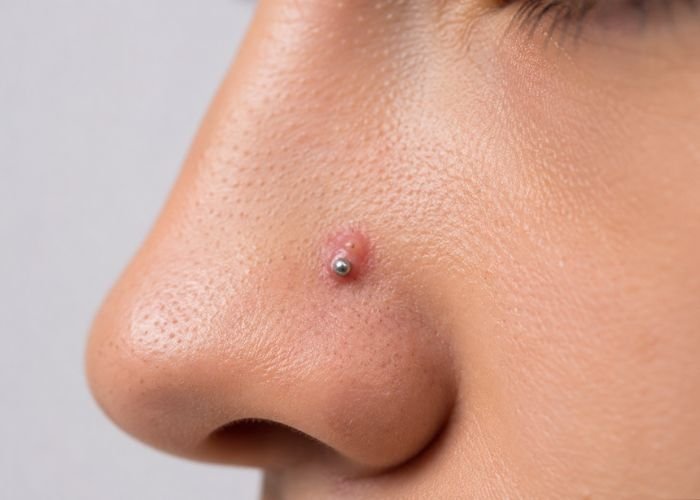
A piercing bump is often caused by:
- Friction
- Pressure
- Jewelry movement
- Poor jewelry quality
- Excessive cleaning
Signs of infection may include:
- Increasing redness
- Significant swelling
- Thick yellow or green discharge
- Intense pain
- Heat around the piercing
If symptoms continue worsening, seek professional medical advice.
Months 4–6: Final Healing Stage
Most nostril piercings complete healing during this period.
Signs Your Nose Piercing Is Healed
- No pain
- No swelling
- No discharge
- No redness
- Comfortable jewelry movement
Even after healing, maintaining good hygiene helps prevent irritation and future complications.
Factors That Affect Nose Piercing Healing Time

Healing speed varies from person to person.
Several factors can either support or slow your recovery.
1. Aftercare Routine
Consistent aftercare is one of the most important factors.
Proper cleaning helps prevent unnecessary irritation while allowing the body to heal naturally.
2. Overall Health
Your body’s ability to repair tissue directly affects healing.
Factors that support recovery include:
- Quality sleep
- Balanced nutrition
- Good hydration
- Stress management
People with healthier lifestyles often experience smoother healing.
3. Jewelry Material
What your jewelry is made of can significantly affect your healing timeline.
Low-quality metals often trigger irritation and allergic reactions that keep the wound inflamed for longer than necessary.
The Gold Standard: Implant-Grade Titanium
Professional piercers widely consider implant-grade titanium (ASTM F-136) the best option for new piercings.
Benefits include:
- Nickel-free
- Lightweight
- Biocompatible
- Suitable for sensitive skin
- Low risk of allergic reactions
Because the body tolerates titanium extremely well, it remains the preferred choice for fresh piercings.
Alternative High-Quality Options
Other recommended materials include:
- 14k or higher solid gold
- Niobium
- Implant-grade steel (ASTM F-138)
These materials are generally safe when sourced from reputable manufacturers.
Materials to Avoid
Avoid using:
- Standard surgical steel
- Sterling silver
- Cheap fashion jewelry
- Unknown metal alloys
These materials may contain nickel or other irritants that can trigger allergic reactions and delay healing.
Sterling silver can also tarnish over time and may contribute to permanent skin discoloration known as argyria.
4. Accidental Trauma
Even a well-healing piercing can become irritated if it experiences repeated trauma.
Common causes include:
- Towels
- Face masks
- Eyeglasses
- Clothing
- Pets
- Children
Being mindful during everyday activities helps prevent setbacks.
How to Care for a Healing Nose Piercing
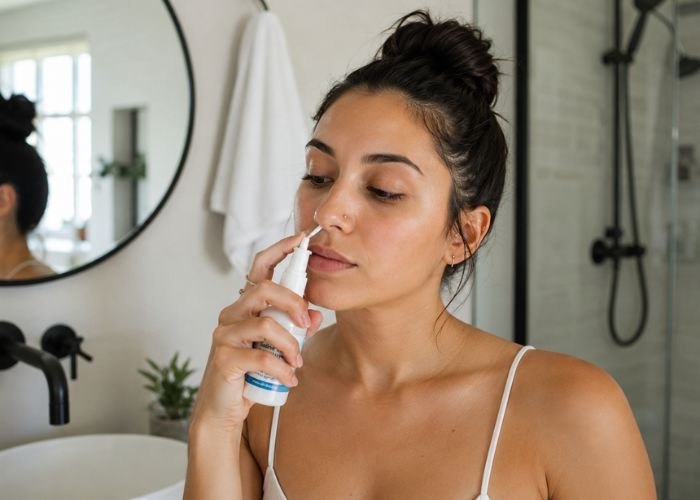
The LITHA Method
One of the most respected approaches in the modern piercing industry is the LITHA method, which stands for Leave It The Heck Alone.
Many people believe frequent touching and excessive cleaning help a piercing heal faster.
The opposite is often true.
The goal is to support your body’s natural healing process while minimizing irritation.
Step 1: Spray
Use a pressurized sterile saline spray 1–2 times daily.
Spray both the outside and inside of the piercing and allow the saline solution to sit briefly before drying.
Step 2: Rinse
During your shower, allow warm water to gently flow over the piercing.
This helps soften and remove dried crust without aggressive scrubbing.
Step 3: Dry
Gently pat the area dry with a clean paper towel.
Paper towels are preferred because they are disposable and less likely to transfer bacteria.
Avoid cloth towels, as their fibers can catch on jewelry and harbor bacteria.
The Ultimate “Do Not” List
Do Not Use Harsh Cleaning Products
- Avoid:
- Hydrogen peroxide
- Rubbing alcohol
- Bactine
- Tea tree oil
These products can damage healthy skin cells and slow healing.
Do Not Use Cotton Products
Avoid:
- Cotton balls
- Cotton swabs (Q-tips)
Tiny fibers can become trapped around the jewelry and create irritation.
Do Not Touch or Rotate the Jewelry
Avoid:
- Twisting
- Rotating
- Constantly checking the piercing
Movement can tear healing tissue and extend recovery time.
Do Not Change Jewelry Too Early
Changing jewelry before complete healing can:
- Collapse the healing channel
- Introduce bacteria
- Cause irritation
- Restart the healing process
Patience is essential.
Common Nose Piercing Problems
Irritation Bumps
Most piercing bumps are caused by irritation rather than infection.
Common Causes
- Poor-quality jewelry
- Excessive cleaning
- Pressure while sleeping
- Jewelry movement
Addressing the source of irritation usually helps the bump improve.
Allergic Reactions
Metal sensitivity can create ongoing irritation.
Symptoms may include:
- Itching
- Redness
- Persistent discomfort
Switching to implant-grade titanium often resolves the issue.
Infection
True infections are less common but require attention.
Symptoms
- Severe swelling
- Intense pain
- Thick yellow or green discharge
- Fever
- Worsening redness
Seek medical advice if these symptoms occur.
When Can You Change Your Nose Jewelry?
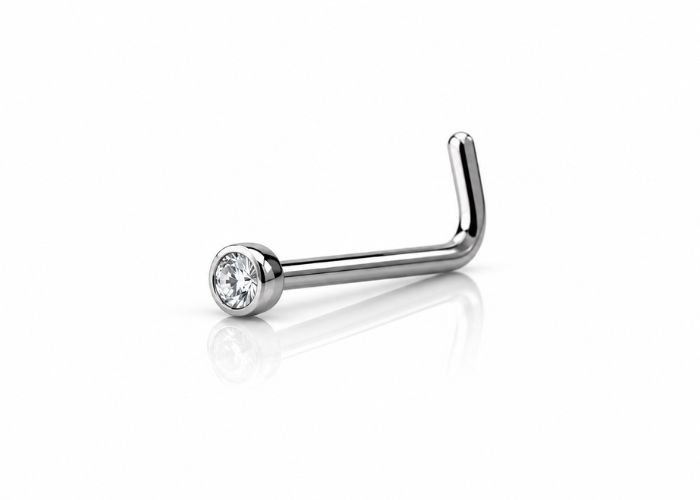
Many people want to change jewelry as soon as possible.
However, changing it too early is one of the most common reasons healing becomes delayed.
For most nostril piercings:
- Wait at least 4–6 months
- Follow your piercer’s recommendation
- Ensure the piercing is fully healed
If you’re unsure, have a professional piercer perform the jewelry change.
Tips for Faster Healing
While there is no way to instantly heal a piercing, you can support your body’s recovery process.
Helpful Tips
- Get enough sleep
- Stay hydrated
- Eat nutritious foods
- Avoid smoking
- Follow the LITHA method
- Choose implant-grade titanium jewelry
- Avoid unnecessary touching
Small habits often make a significant difference over time.
Conclusion
A nose piercing may seem simple, but proper healing requires patience and consistency. While the outside of the piercing may look healed within a few weeks, complete healing often takes four to six months or longer.
Understanding the week-by-week healing process allows you to recognize normal symptoms, avoid common mistakes, and provide the care your piercing needs.
By choosing high-quality jewelry, following the LITHA aftercare method, and resisting the urge to change jewelry too soon, you can support a smoother healing experience and enjoy your piercing for years to come.
Frequently Asked Questions
How long does a nose piercing take to heal completely?
Most nostril piercings take approximately 4–6 months to heal completely. Some individuals may require additional time depending on aftercare, health, and jewelry quality.
Can I change my nose ring after one month?
No, you should absolutely not change your nose ring after one month.
Changing jewelry this early can damage the unhealed tissue channel, trap bacteria, increase the risk of infection, and force your healing timeline to restart. Most nostril piercings require at least 4–6 months before jewelry changes are considered safe.
Is crust around a nose piercing normal?
Yes, crust around a nose piercing is completely normal.
The crust is usually dried lymph fluid, which is part of the body’s natural healing process.
Should I rotate my nose jewelry while cleaning?
No, you should never rotate your nose jewelry.
Rotating jewelry can tear healing tissue inside the piercing channel and slow recovery.
Why is there a bump on my nose piercing?
Most nose piercing bumps are caused by irritation rather than infection.
Common causes include pressure, trauma, excessive cleaning, poor jewelry quality, and jewelry movement.
How do I know if my nose piercing is infected?
Common signs of infection include severe redness, worsening swelling, intense pain, warmth around the piercing, and thick yellow or green discharge.
If symptoms continue worsening, seek medical attention.