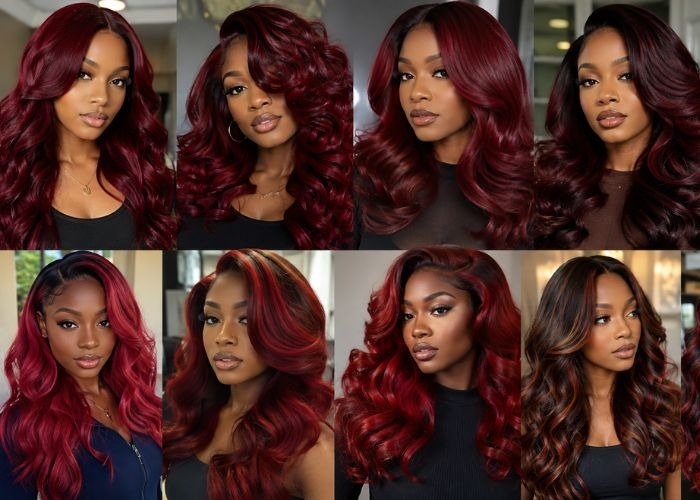

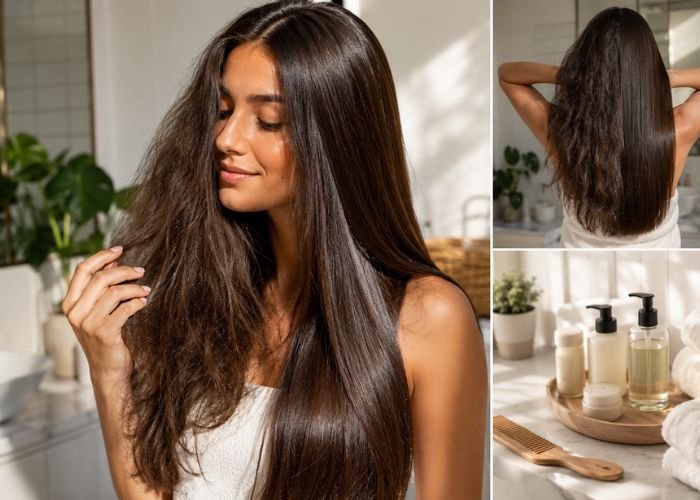
Frizzy hair can make even the healthiest-looking hair feel difficult to manage. Whether you have straight, wavy, curly, or coily hair, frizz can appear when your strands become dry, damaged, or exposed to humidity. The good news is that you don’t need expensive salon treatments or a shelf full of styling products to reduce frizz. By understanding what causes it and following a consistent hair care routine for beginners, you can achieve smoother, softer, and healthier-looking hair over time.
In this guide, you’ll learn why hair becomes frizzy, the everyday habits that may be making it worse, and practical tips that can help you manage frizz naturally. You’ll also discover which ingredients to look for in hair care products, common mistakes to avoid, and a simple routine that works for most hair types.
How to Fix Frizzy Hair Fast
If you’re looking for a quick way to calm frizzy hair, start by applying 2–3 drops of a lightweight hair oil, such as argan or jojoba oil, to damp hair. Gently pat your hair dry with a microfiber towel instead of rubbing it with a regular towel, and avoid brushing your hair while it’s dry. For long-term frizz control, choose a moisturizing sulfate-free shampoo, use conditioner after every wash, and apply a deep conditioning mask once a week to keep your hair hydrated.
What Is Frizzy Hair?
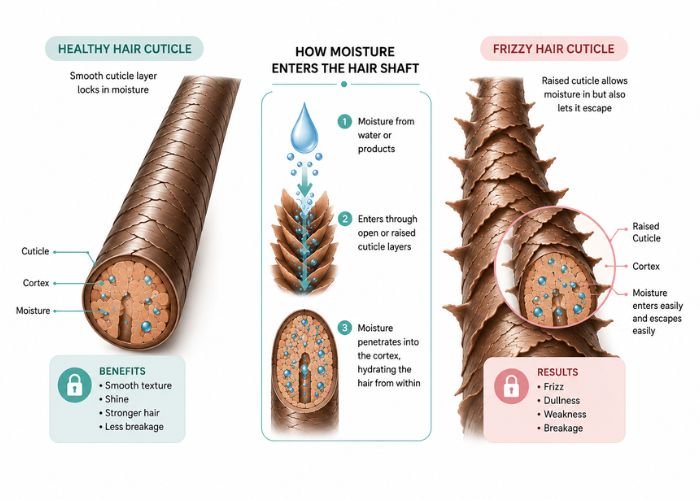
Frizzy hair occurs when the outer layer of the hair, known as the cuticle, becomes raised instead of lying flat. A healthy, smooth cuticle reflects light, making hair appear shiny and soft. When the cuticle lifts, moisture from the surrounding air enters the hair shaft. This causes the strands to swell, creating the rough, puffy appearance that we recognize as frizz.
Many people assume frizz only affects curly hair, but that’s not true. Every hair type can become frizzy under the right conditions.
Frizz commonly affects:
- Straight hair
- Wavy hair
- Curly hair
- Coily hair
- Fine hair
- Thick hair
- Color-treated hair
- Chemically processed hair
For some people, frizz only appears during humid weather, while others experience it throughout the year because of dryness, heat damage, or improper hair care habits.
Understanding why your hair becomes frizzy is the first step toward choosing the right products and building a routine that actually works.
Why Does Hair Become Frizzy?
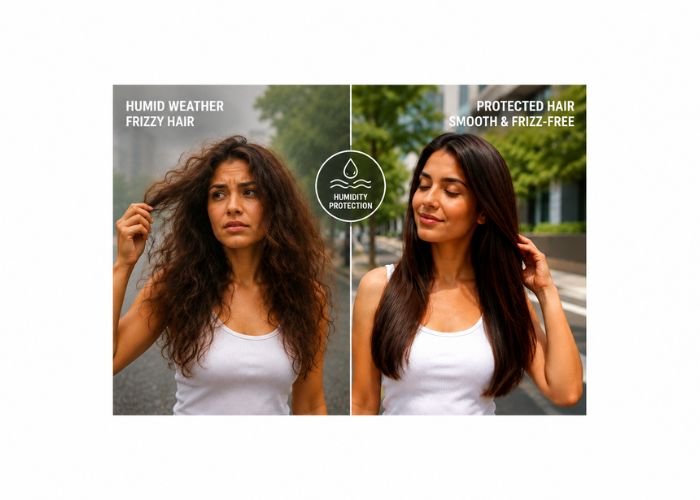
Frizz doesn’t happen for just one reason. In most cases, it’s caused by a combination of moisture loss, environmental factors, and daily styling habits. Once you understand the root cause, it’s much easier to prevent and manage.
Lack of Moisture
One of the most common causes of frizzy hair is dryness.
Healthy hair contains the right balance of moisture and natural oils. When your hair becomes dry, it looks for moisture elsewhere—often pulling it from the air around you. As the hair absorbs this moisture, the strands expand and become uneven, leading to frizz.
Example
Imagine washing your hair every day with a strong shampoo but skipping conditioner. Over time, your hair loses its natural protective oils and becomes rough, dry, and difficult to manage. Even if you style it perfectly in the morning, it may become frizzy within a few hours.
If your hair often feels rough to the touch or looks dull instead of shiny, dehydration is likely one of the main reasons behind your frizz.
Humidity
Humidity is one of the biggest enemies of smooth hair.
When the air contains a high level of moisture, dry hair naturally absorbs that moisture through its raised cuticle. As each strand swells, the hair loses its smooth shape, creating flyaways and unwanted volume.
This is why your hairstyle may look perfect indoors but quickly become puffy after spending time outside on a humid day.
While you can’t control the weather, using moisturizing products and lightweight anti-frizz serums can create a protective barrier that helps reduce humidity’s effects.
Heat Damage
Frequent use of styling tools such as blow dryers, flat irons, and curling wands can gradually weaken the hair cuticle.
High temperatures remove moisture from the hair shaft, leaving strands dry, brittle, and more likely to become frizzy. If you regularly style your hair with heat, try keeping your tools below 180°C (350°F) whenever possible. Higher temperatures increase the risk of damaging the hair’s natural protein structure, especially when used repeatedly without protection.
Before using any heated styling tool:
- Apply a heat protectant spray or cream.
- Keep the tool moving instead of holding it in one place.
- Avoid using heat on soaking wet hair unless your dryer is specifically designed for it.
Reducing heat exposure—even by one or two styling sessions each week—can noticeably improve your hair’s condition over time.
Overwashing Your Hair
Many people believe washing hair every day keeps it healthier, but that’s not always true.
Frequent washing can remove the natural oils produced by your scalp. These oils help protect the hair shaft, reduce moisture loss, and keep strands smooth. Without them, hair becomes dry, rough, and more vulnerable to frizz.
If your scalp isn’t excessively oily, washing your hair two to three times a week may be enough to keep it clean while maintaining its natural moisture balance.
If you exercise regularly or need more frequent cleansing, consider using a gentle moisturizing shampoo or alternating with a conditioner-only wash when appropriate for your hair type.
Chemical Treatments
Hair coloring, bleaching, relaxing, rebonding, and perming all work by changing the hair’s natural structure. While these treatments can create beautiful results, they also lift or alter the protective cuticle layer, making hair more vulnerable to dryness and breakage.
After chemical treatments, it’s important to give your hair extra care.
A few helpful habits include:
- Using nourishing conditioners after every wash.
- Applying a weekly deep-conditioning mask.
- Choosing products designed for color-treated or chemically processed hair.
- Considering a bond-building treatment to help support damaged hair after bleaching or other intensive chemical services.
Taking these steps can help restore softness and reduce the amount of frizz caused by chemical processing.
Rough Towel Drying
Something as simple as the way you dry your hair can affect how frizzy it becomes.
Rubbing wet hair vigorously with a regular cotton towel creates friction that roughs up the cuticle. This not only increases frizz but may also lead to breakage, especially if your hair is already damaged.
Instead:
- Gently squeeze out excess water.
- Pat your hair dry instead of rubbing it.
- Use a microfiber towel or a soft cotton T-shirt to reduce friction.
This small change can make a surprisingly noticeable difference in the smoothness of your hair.
Brushing Hair the Wrong Way
Brushing can either help your hair or make frizz worse.
Using a fine-tooth brush on dry curly or wavy hair separates natural curl patterns, creating puffiness and flyaways. Even straight hair can become frizzy if it’s brushed aggressively while wet.
For the best results:
- Detangle wet hair with a wide-tooth comb.
- Start from the ends and gradually work upward.
- Avoid pulling through knots forcefully.
- Brush curly hair while it’s damp and coated with conditioner whenever possible.
Gentle handling reduces breakage and helps preserve your hair’s natural texture.
Signs Your Hair Needs More Moisture
Sometimes your hair tells you it needs extra hydration before frizz becomes a major problem.
Watch for these common signs:
- Hair feels rough or straw-like.
- Ends appear dry or split.
- Hair tangles easily after washing.
- Flyaways appear throughout the day.
- Hair lacks natural shine.
- It becomes puffy after brushing.
- Styling products seem to stop working quickly.
- Your hair feels brittle instead of soft.
If several of these signs sound familiar, it’s a good indication that your routine should focus more on moisture rather than simply styling products.
Proper hydration is the foundation of healthy, manageable hair. Before investing in expensive treatments, start by improving your washing routine, conditioning regularly, and protecting your hair from unnecessary damage.
How to Fix Frizzy Hair
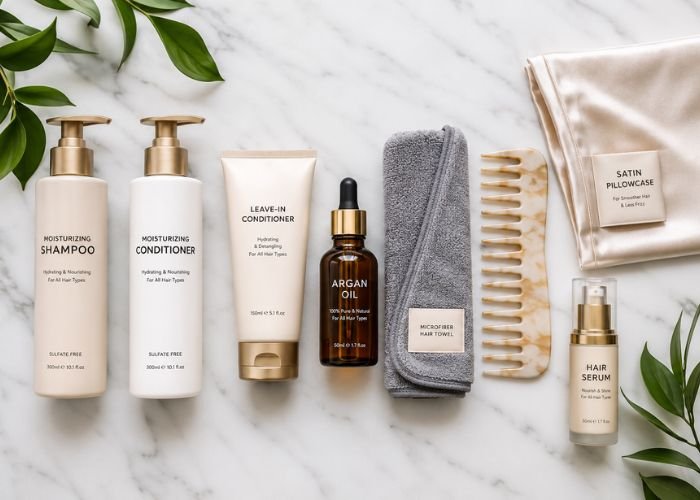
There’s no single product that can completely eliminate frizz overnight. Instead, smoother, healthier-looking hair comes from following a consistent routine that keeps your hair hydrated, protected, and strong. Small daily habits often make a bigger difference than expensive treatments.
The tips below are suitable for most hair types and can easily become part of your regular hair care routine.
Use a Moisturizing Shampoo
Your shampoo is the foundation of your hair care routine. If it removes too much natural oil, your hair will struggle to stay hydrated, making frizz more noticeable.
Choose a moisturizing shampoo that cleans your scalp without leaving your hair feeling dry or squeaky. Look for nourishing ingredients such as:
- Glycerin
- Aloe vera
- Argan oil
- Coconut oil
- Shea butter
- Panthenol (Vitamin B5)
- Hyaluronic acid
If your hair is naturally dry, curly, color-treated, or chemically processed, consider using a sulfate-free shampoo. Sulfates such as Sodium Lauryl Sulfate (SLS) and Sodium Laureth Sulfate (SLES) can be effective cleansers, but for some people they may remove more natural oils than needed, leaving hair feeling drier. Choosing a gentler formula can help maintain your hair’s natural moisture balance.
Pro Tip
If your hair feels rough immediately after shampooing, your cleanser may be too harsh for your hair type. Switching to a more moisturizing formula can often improve softness within a few weeks.
Never Skip Conditioner
Conditioner is one of the most important products for controlling frizz because it smooths the hair cuticle and locks moisture into the hair shaft.
Always apply conditioner after shampooing, focusing on the mid-lengths and ends where hair tends to be the driest. Avoid applying large amounts directly to your scalp unless the product is specifically designed for it.
Leave the conditioner on for at least two to five minutes before rinsing. This gives the moisturizing ingredients enough time to coat the hair properly.
If your hair is very dry or damaged, you can gently comb the conditioner through your strands with a wide-tooth comb to ensure even coverage.
Apply a Leave-In Conditioner
A leave-in conditioner provides continuous hydration after washing and creates an extra layer of protection against humidity.
Unlike regular conditioner, leave-in formulas remain on the hair throughout the day, helping reduce:
- Flyaways
- Static
- Dry ends
- Tangles
- Frizz caused by humidity
Leave-in conditioners are especially helpful if you frequently use heated styling tools or spend time outdoors.
For fine hair, choose lightweight spray formulas. For thick, curly, or coily hair, cream-based leave-in conditioners often provide longer-lasting moisture.
Use Hair Oil the Right Way
Hair oil doesn’t add moisture by itself—it helps seal existing moisture inside the hair and smooth the cuticle, making strands appear shinier and less frizzy.
Some popular oils include:
- Argan oil
- Jojoba oil
- Coconut oil
- Almond oil
- Marula oil
For the best results:
- Place 2–3 drops of oil into your palms.
- Rub your hands together to warm the oil.
- Apply it to the ends first.
- Work upward toward the mid-lengths.
- Avoid applying raw oil directly to your roots unless your scalp specifically needs it.
Using too much oil can make hair look greasy instead of smooth, so start with a small amount and add more only if needed.
Example
If your hair becomes frizzy by lunchtime, apply one drop of argan oil to your fingertips and lightly smooth it over the surface of your hair instead of applying more styling cream.
Limit Heat Styling
Heat styling can quickly transform your hairstyle, but frequent exposure may weaken the protective cuticle and increase dryness over time.
If possible:
- Air dry your hair whenever you can.
- Save heat styling for special occasions.
- Lower the temperature on your styling tools.
A good guideline is to keep flat irons and curling tools below 180°C (350°F) whenever your hair type allows. Higher temperatures increase the risk of weakening the hair’s protein structure, especially when used repeatedly.
Always Use a Heat Protectant
Before using heat, apply a heat protectant evenly through damp or dry hair, depending on the product instructions.
Many heat protectants contain ingredients such as:
- Dimethicone
- Cyclopentasiloxane
- Amodimethicone
These ingredients form a lightweight protective layer around the hair shaft, helping reduce moisture loss during styling and improving smoothness. Despite common misconceptions, silicone-based protectants can be very beneficial when used correctly and washed out regularly.
Dry Your Hair Gently
Wet hair is at its weakest, so how you dry it matters just as much as how you wash it.
Instead of rubbing your hair vigorously with a towel:
- Gently squeeze out excess water.
- Pat your hair dry.
- Wrap it in a microfiber towel or soft cotton T-shirt for several minutes.
Microfiber materials reduce friction, helping the hair cuticle remain smoother while minimizing breakage and flyaways.
Whenever possible, allow your hair to air dry until it’s about 70–80% dry before using a blow dryer.
Use a Wide-Tooth Comb
Hair becomes more elastic and delicate when wet, making it easier to stretch or break.
A wide-tooth comb helps remove tangles with less pulling than a fine-tooth comb or brush.
For the safest detangling:
- Start at the ends.
- Remove small knots first.
- Slowly work upward.
- Hold sections of hair while combing to reduce tension on the roots.
Patience during detangling helps reduce unnecessary breakage, which can contribute to frizz over time.
Avoid Brushing Dry Curly Hair
Curly and wavy hair naturally forms clumps that help curls maintain their shape.
Brushing dry curls separates these clumps, creating a fluffy appearance and increasing frizz almost instantly.
Instead:
- Detangle during or immediately after conditioning.
- Use your fingers or a wide-tooth comb.
- Style curls while they’re still damp.
If you have straight hair, brushing while dry is usually less problematic, but excessive brushing can still create friction and static.
Deep Condition Once a Week
A deep-conditioning treatment provides more intensive hydration than your daily conditioner.
Weekly treatments help replenish moisture, improve elasticity, and reduce dryness caused by weather, heat styling, or chemical treatments.
Look for masks containing:
- Shea butter
- Ceramides
- Argan oil
- Coconut oil
- Hydrolyzed proteins
- Panthenol
Leave the treatment on according to the product instructions—usually between 10 and 20 minutes.
With consistent use, your hair may become:
- Softer
- Shinier
- Easier to detangle
- Less prone to breakage
- More resistant to frizz
Trim Split Ends Regularly
No product can permanently repair split ends once they form.
While serums may temporarily smooth their appearance, the only long-term solution is trimming damaged ends.
Aim to trim your hair every 8–12 weeks, depending on your hair type and styling habits.
Regular trims help:
- Prevent splits from traveling further up the hair shaft.
- Improve the appearance of your hairstyle.
- Reduce tangling.
- Make hair look smoother and healthier.
Even removing a small amount can noticeably improve your hair’s overall appearance.
Protect Your Hair While Sleeping
Many people spend time perfecting their daytime routine but overlook what happens overnight.
Cotton pillowcases create friction as you move during sleep, which can roughen the hair cuticle and contribute to morning frizz.
For better overnight protection:
- Sleep on a satin or silk pillowcase.
- Tie long hair into a loose braid or bun.
- Avoid tight elastic bands that pull on the hair.
- Apply a small amount of leave-in conditioner to dry ends before bed if needed.
These simple nighttime habits can help preserve your hairstyle and reduce tangles by morning.
Be Consistent With Your Routine
The biggest mistake people make is expecting instant results.
Hair care works best when healthy habits are repeated consistently over time. Even the highest-quality products cannot reverse dryness overnight.
Instead of changing products every week, give your routine four to six weeks before deciding whether it’s working.
Consistency with cleansing, conditioning, hydration, and protection often produces better long-term results than constantly trying new products.
Remember, healthy hair is built through regular care—not quick fixes.
Best Ingredients for Frizzy Hair
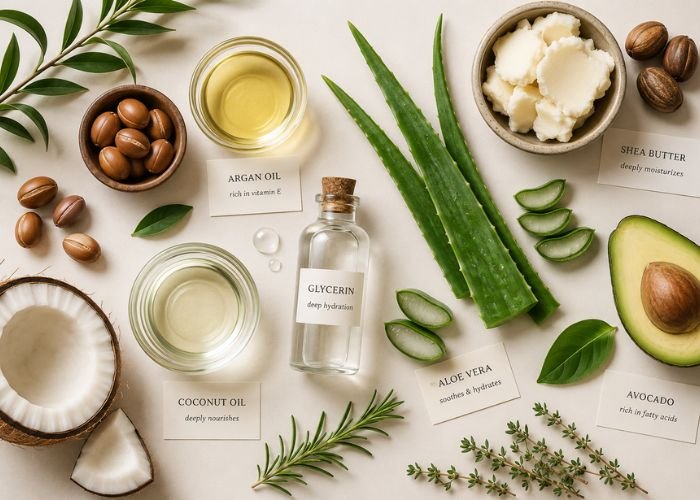
Choosing the right hair care products is just as important as following a good routine. While product labels often promise “smooth” or “frizz-free” hair, the ingredient list tells you much more about how a product may perform.
Below are some of the most effective ingredients commonly found in shampoos, conditioners, hair masks, and serums for dry or frizzy hair.
Argan Oil
Often called “liquid gold,” argan oil is rich in essential fatty acids and vitamin E. It helps smooth the hair cuticle, reduce dryness, and improve shine without making most hair types feel heavy.
Argan oil works particularly well for:
- Dry hair
- Color-treated hair
- Heat-damaged hair
- Thick or coarse hair
Apply a few drops to damp or dry hair, focusing on the mid-lengths and ends.
Shea Butter
Shea butter is a deeply moisturizing ingredient that helps soften rough hair while creating a protective barrier against moisture loss.
It is especially helpful for:
- Curly hair
- Coily hair
- Thick hair
- Extremely dry hair
Because it has a richer texture, products containing shea butter are often better suited to medium-to-thick hair than very fine hair.
Coconut Oil
Coconut oil is widely used because it can help reduce protein loss from the hair when used before or after washing. Stronger hair is generally less prone to breakage and frizz.
If your hair is fine, use coconut oil sparingly, as too much may weigh it down. Those with thicker or coarser hair may benefit from using it as a weekly pre-shampoo treatment.
Aloe Vera
Aloe vera provides lightweight hydration while helping hair feel smoother and easier to manage.
It also helps soothe a dry or irritated scalp, making it a popular ingredient in shampoos and leave-in conditioners.
Glycerin
Glycerin is a humectant, which means it attracts moisture to the hair.
In balanced weather conditions, glycerin can improve softness and hydration. However, in extremely humid or very dry climates, some people find products with high amounts of glycerin less effective. Paying attention to how your hair responds can help you choose the right products for your environment.
Ceramides
Ceramides help strengthen the hair’s protective barrier by filling tiny gaps in the cuticle. They are especially beneficial for chemically treated or damaged hair that needs extra support.
Hair care products containing ceramides often improve smoothness, softness, and manageability over time.
Keratin
Keratin is the main structural protein that makes up your hair. Hair products containing hydrolyzed keratin or similar proteins can temporarily strengthen weak strands and reduce the appearance of damage.
Protein-based products are most helpful for damaged hair, but they should be balanced with moisturizing products to avoid making hair feel stiff.
The 24-Hour Anti-Frizz Blueprint
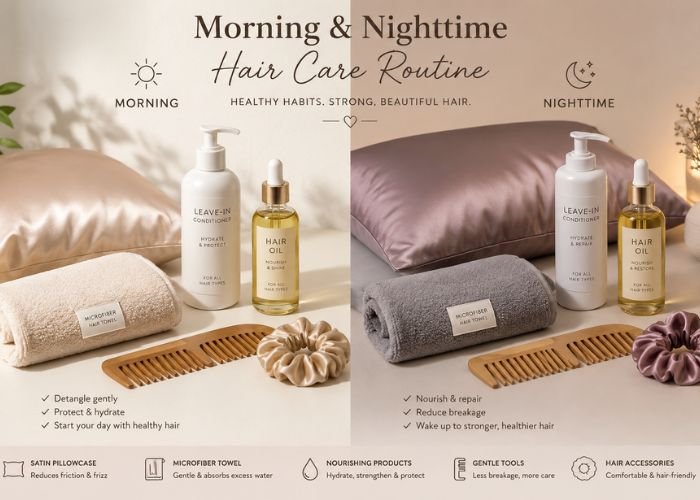
Creating a simple daily routine is one of the easiest ways to reduce frizz consistently. Rather than relying on one product, focus on small habits that protect your hair throughout the day.
| Time of Day | Action Item | Why It Works |
| Morning | Lightly mist your hair with water mixed with a small amount of leave-in conditioner. Finish with a pea-sized amount of anti-frizz serum. | Refreshes your hairstyle, reactivates yesterday’s styling products, and smooths overnight flyaways without overwashing. |
| Mid-Day | Avoid constantly touching, twisting, or brushing your hair while it’s dry. | Reduces friction, static, and unnecessary disruption of your hair’s natural texture. |
| After Exercise | If your scalp becomes sweaty, allow it to dry before brushing. Refresh with a lightweight leave-in spray if needed. | Prevents excessive brushing while hair is damp and reduces unnecessary product buildup. |
| Night | Sleep on a satin or silk pillowcase and tie long hair into a loose braid or bun. | Minimizes friction while you sleep, helping your hair stay smoother and reducing morning tangles. |
Following this simple routine every day can often produce better results than using multiple styling products without consistency.
Foods That Support Healthy Hair
Healthy hair starts with good nutrition. Although food won’t immediately eliminate existing frizz, a balanced diet supports healthy hair growth and stronger strands over time.
Eat Enough Protein
Hair is primarily made of protein, so getting enough in your diet is essential.
Good protein sources include:
- Eggs
- Fish
- Chicken
- Greek yogurt
- Lentils
- Chickpeas
- Beans
- Tofu
Choose Healthy Fats
Healthy fats help support the scalp and overall hair health.
Include foods such as:
- Avocados
- Walnuts
- Almonds
- Chia seeds
- Flaxseeds
- Olive oil
- Salmon
Increase Vitamin-Rich Foods
Many vitamins and minerals contribute to healthy hair growth.
Consider adding more:
- Spinach
- Kale
- Sweet potatoes
- Citrus fruits
- Bell peppers
- Berries
- Carrots
Drinking enough water throughout the day also supports overall health, although topical moisture from conditioners and hair masks plays the biggest role in improving the appearance of existing hair.
Common Hair Care Mistakes That Cause Frizz
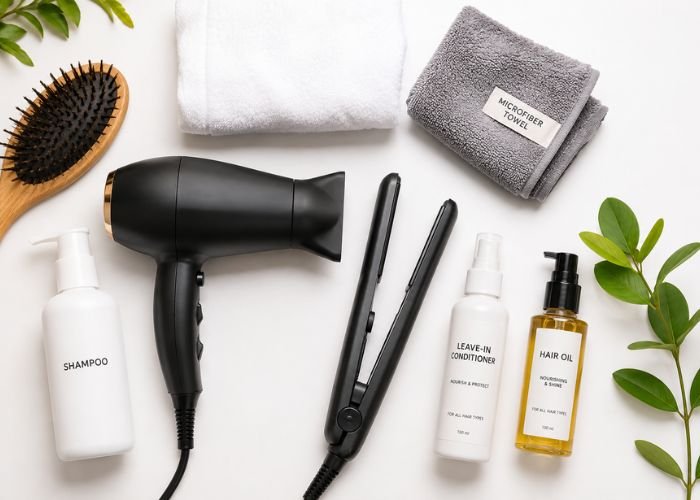
Sometimes it’s not what you do—it’s what you do too often.
These everyday habits can make frizz worse without you realizing it.
Washing With Very Hot Water
Hot water removes dirt effectively, but it can also leave hair feeling dry by washing away protective oils.
Instead, wash with lukewarm water and finish with a cool rinse if comfortable. This may help the hair cuticle lie flatter, making hair appear smoother.
Using Too Much Heat
Daily blow-drying or straightening gradually increases dryness.
Whenever possible:
- Lower the heat setting.
- Use heat protectant.
- Give your hair heat-free days each week.
Skipping Conditioner
Many people skip conditioner because they worry it will make their hair greasy.
In reality, conditioner is one of the best defenses against frizz. Choosing the right formula for your hair type helps keep strands moisturized without weighing them down.
Overusing Styling Products
Applying too many creams, oils, or sprays can create buildup, making hair feel heavy and dull.
Start with small amounts and add more only if needed.
Brushing Aggressively
Pulling through knots quickly can break healthy strands and increase flyaways.
Instead, detangle patiently using a wide-tooth comb.
Sleeping on Cotton Pillowcases
Rough fabrics create friction while you sleep, leading to tangles and frizz by morning.
A satin or silk pillowcase creates a smoother surface for your hair to glide across.
How Weather Affects Frizzy Hair
The environment has a major influence on how your hair behaves throughout the year.
Humid Weather
Humidity causes dry hair to absorb moisture from the air, making strands swell and appear frizzy.
Using anti-humidity serums or leave-in conditioners can help create a protective barrier.
Dry Weather
Cold or dry climates can remove moisture from the hair, leading to static, roughness, and split ends.
Adding extra conditioning treatments during winter often helps keep hair softer.
Windy Conditions
Strong winds create tangles, friction, and breakage.
Protect your hair by wearing a loose braid, bun, scarf, or hat when spending long periods outdoors.
Understanding how weather affects your hair allows you to adjust your routine throughout the year rather than using the same products in every season.
Can Frizzy Hair Be Prevented?
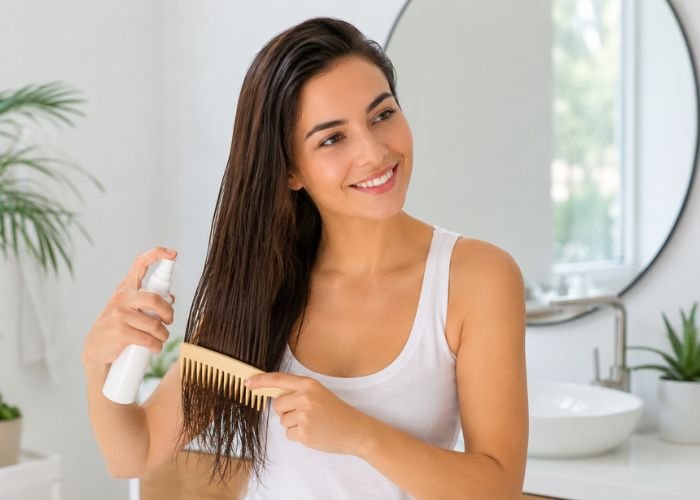
While you may not be able to eliminate frizz completely—especially if you live in a humid climate or have naturally curly hair—you can significantly reduce it with the right habits. Healthy hair doesn’t happen overnight. It develops through consistent care, gentle handling, and choosing products that suit your hair type.
Instead of searching for a quick fix every time your hair becomes frizzy, focus on building a routine that keeps your strands moisturized and protected every day.
Here are some of the most effective long-term habits for preventing frizz:
- Wash your hair with a gentle, moisturizing shampoo.
- Always follow with a conditioner.
- Use a leave-in conditioner or lightweight serum after washing.
- Limit the use of hot styling tools.
- Apply a heat protectant before blow-drying or straightening.
- Deep condition your hair once a week.
- Get regular trims every 8–12 weeks.
- Protect your hair while sleeping with a satin or silk pillowcase.
- Avoid brushing curly or wavy hair when it’s dry.
- Eat a balanced diet that supports healthy hair growth.
Remember, consistency is far more important than buying expensive products. A simple routine followed regularly usually delivers better results than constantly switching between different hair care products.
When Should You See a Hair Professional?
Frizz is usually a cosmetic concern, but sometimes it may be linked to underlying hair or scalp issues.
Consider speaking with a dermatologist or qualified hair care professional if you notice:
- Sudden or excessive hair loss
- Severe hair breakage that doesn’t improve with proper care
- Persistent scalp itching, redness, or irritation
- Flaking that doesn’t improve with anti-dandruff products
- Hair becoming extremely dry after a chemical treatment
- Noticeable thinning or bald patches
A professional can assess your scalp and hair condition, identify possible underlying causes, and recommend treatments that are appropriate for your individual needs.
Conclusion
Frizzy hair is completely normal, and almost everyone experiences it at some point. Whether your hair is naturally straight, wavy, curly, or coily, factors like dryness, humidity, heat styling, and daily habits can all contribute to unwanted frizz.
The good news is that smoother, healthier-looking hair doesn’t require complicated routines or expensive salon treatments. By using moisturizing products, protecting your hair from heat damage, reducing friction, and following a consistent hair care routine, you can noticeably improve your hair’s texture over time.
Small changes—such as switching to a microfiber towel, applying a leave-in conditioner, trimming split ends regularly, and avoiding excessive heat styling—can make a significant difference in the long run.
Most importantly, be patient. Hair health improves gradually, and consistency is the key to long-lasting results. By taking care of your hair every day, you’ll be better equipped to manage frizz and enjoy softer, shinier, and more manageable hair throughout the year.
Frequently Asked Questions
What is the main cause of frizzy hair?
The main cause of frizzy hair is dryness. When hair lacks moisture, it absorbs humidity from the air, making it look rough and puffy.
Can frizzy hair become smooth again?
Yes. With regular conditioning, proper hydration, and less heat styling, frizzy hair can become smoother and easier to manage.
How often should I wash frizzy hair?
It depends on your hair type.
Fine or straight hair: 2–3 times a week
Wavy hair: 2–3 times a week
Curly or coily hair: About once a week
Always use a gentle, moisturizing shampoo.
Is coconut oil good for frizzy hair?
Yes. Coconut oil helps lock in moisture and reduce frizz. Use a small amount, especially if you have fine hair.
Does brushing hair make frizz worse?
Yes, it can. Brushing dry hair, especially curly or wavy hair, may cause more frizz. Use a wide-tooth comb on damp hair instead.
Can humidity cause frizzy hair?
Yes. Humidity adds moisture to dry hair, causing it to swell and become frizzy.
How long does it take to reduce frizz?
You may notice improvement within a few weeks if you follow a consistent hair care routine.
Are expensive hair products necessary for controlling frizz?
No. Many affordable shampoos, conditioners, and hair oils work well when used regularly.
Does drinking water reduce frizzy hair?
Drinking water supports overall hair health, but it won’t fix frizz on its own. Use conditioners and hair oils to keep your hair moisturized.
Which ingredients should I avoid if I have frizzy hair?
Avoid harsh sulfates like SLS and SLES if they make your hair feel dry. Look for moisturizing ingredients such as aloe vera, glycerin, argan oil, and shea butter instead.