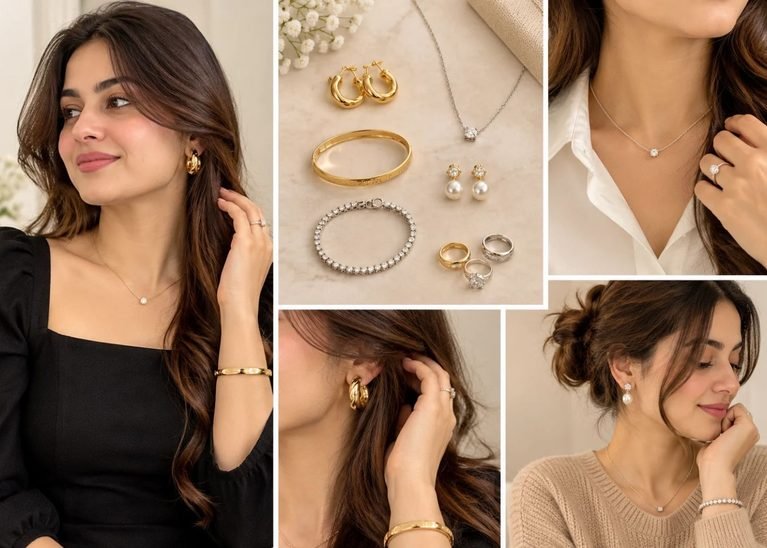

When a couple starts looking for an engagement ring, the choice can feel complicated. A diamond may look brilliant in a display case, yet its origin, price, and grading can raise questions that are not obvious at first glance. Natural and lab-grown diamonds share many of the same qualities, but they are formed in very different ways and can suit different priorities.
Some couples value the story and rarity of a stone formed deep within the Earth. Others prefer the flexibility that a laboratory-grown option may offer. Understanding what actually separates the two makes it easier to compare them fairly and choose a ring that feels right for both partners.
How Are Natural and Lab-Grown Diamonds Different?
The biggest difference between these diamonds is how they are formed. Their origins affect how they are produced, priced, and viewed by buyers, but both are genuine diamonds.
- Natural diamonds: These form deep within the Earth under intense heat and pressure over extremely long periods. They are brought closer to the surface through geological processes and recovered through mining.
- Lab-grown diamonds: These are created in controlled laboratory environments using technologies that recreate the conditions needed for diamond growth. High Pressure High Temperature (HPHT) and Chemical Vapor Deposition (CVD) are the two main methods.
Both types have essentially the same chemical composition, crystal structure, and optical properties. This means they can display the same brilliance and sparkle. Their origin cannot be reliably identified just by looking at them. Specialized gemological equipment is used to distinguish between them.
It is also important not to confuse lab-grown diamonds with imitations such as cubic zirconia. These are different materials, not diamonds.
Do Lab-Grown and Natural Diamonds Look or Wear Differently?
For couples choosing a ring to wear every day, appearance and durability are important considerations. A diamond’s visual appeal depends on several characteristics, not simply whether it was formed naturally or in a laboratory.
Both types can offer:
- Brilliance: The way a diamond reflects white light depends significantly on its cut and proportions.
- Fire: This refers to the colored flashes of light visible when a diamond disperses white light.
- Durability: Both are made of diamond material and have a Mohs hardness rating of 10, making them suitable for everyday jewelry.
However, hardness does not mean a diamond cannot be damaged. A sharp impact can cause chipping, particularly around exposed edges or pointed corners. Regular checks of the ring setting can also help prevent a loose stone from being lost.
Couples should compare the actual stones rather than assume that two diamonds with similar specifications will look identical. Lighting, cut quality, clarity characteristics, and shape can all influence their appearance.
How Should Couples Compare the Price and Value?
Budget can influence the engagement ring decision, particularly when couples are balancing the center stone, setting, and overall design.
Lab-grown diamonds generally cost less than natural diamonds with comparable characteristics. This can give buyers more flexibility to choose a larger stone or allocate more of their budget to the setting.
For example, couples considering lab grown engagement rings can compare different shapes, carat weights, and settings to understand how their budget affects the final design. Natural diamonds may appeal more to buyers who place importance on geological rarity, natural origin, and traditional symbolism.
However, purchase price and long-term value are not the same thing. Neither type should be treated as a guaranteed investment. Natural diamonds have a more established resale market, while the resale market for lab-grown stones is less established, and their prices can change as production technology develops.
Before purchasing, couples should consider:
- The total ring budget, including the setting and metal.
- Whether stone size or natural origin matters more to them.
- The seller’s return, exchange, and buyback policies.
- Whether the purchase is primarily about personal enjoyment or future resale expectations.
A clear understanding of these factors can prevent unrealistic expectations after the purchase.
Why Do the 4Cs and Grading Reports Matter?
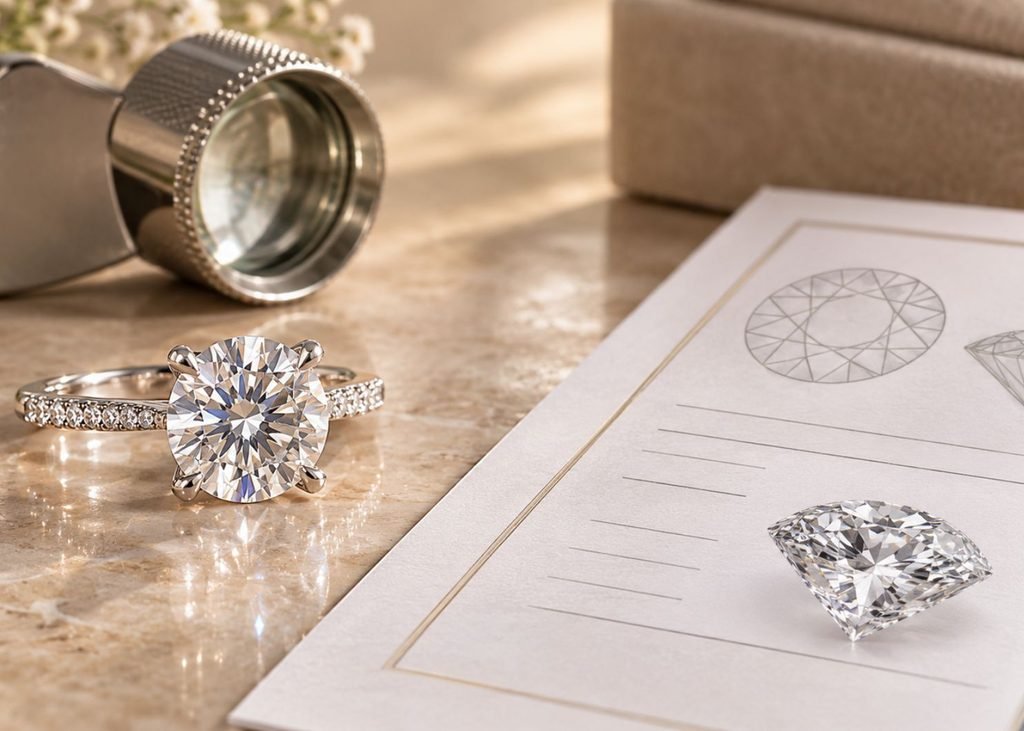
Regardless of origin, the 4Cs provide a useful framework for comparing diamond quality. They refer to cut, color, clarity, and carat weight.
- Cut: Influences how effectively the diamond reflects light. It is one of the most important factors affecting sparkle.
- Color: Measures how much color is present in a diamond, with less color generally receiving higher grades in the standard colorless range.
- Clarity: Assesses internal characteristics and surface imperfections.
- Carat: Measures the diamond’s weight, not its visible size.
A grading report from a recognized gemological laboratory provides important information about a stone’s characteristics and origin. Couples should check that the report matches the diamond being offered and that the seller clearly identifies whether it is natural or laboratory-grown.
The Federal Trade Commission also advises consumers to check gemstone descriptions and ask sellers for written details about the stone’s origin and other important characteristics. Its guide to buying gemstones, diamonds, and pearls offers useful guidance before making a purchase.
Which Diamond Is the Better Choice for Couples?
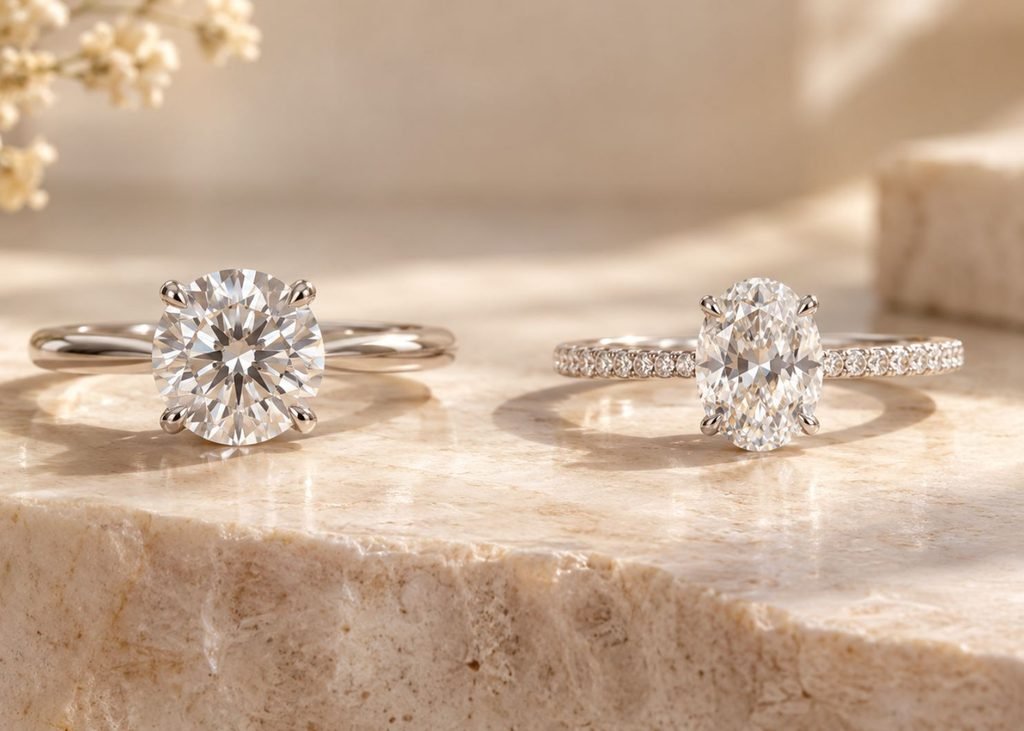
There is no universal answer because each couple has different preferences, budgets, and expectations. The right choice depends on what they want their engagement ring to represent.
A natural diamond may suit couples who:
- Appreciate the rarity and geological history of naturally formed stones.
- Prefer the traditional appeal associated with natural diamonds.
- Are comfortable allocating more of their budget to the center stone.
A lab-grown diamond may suit couples who:
- Want greater flexibility within a set budget.
- Prefer the option of choosing a larger stone for a similar spend.
- Value the idea of a diamond created using modern technology.
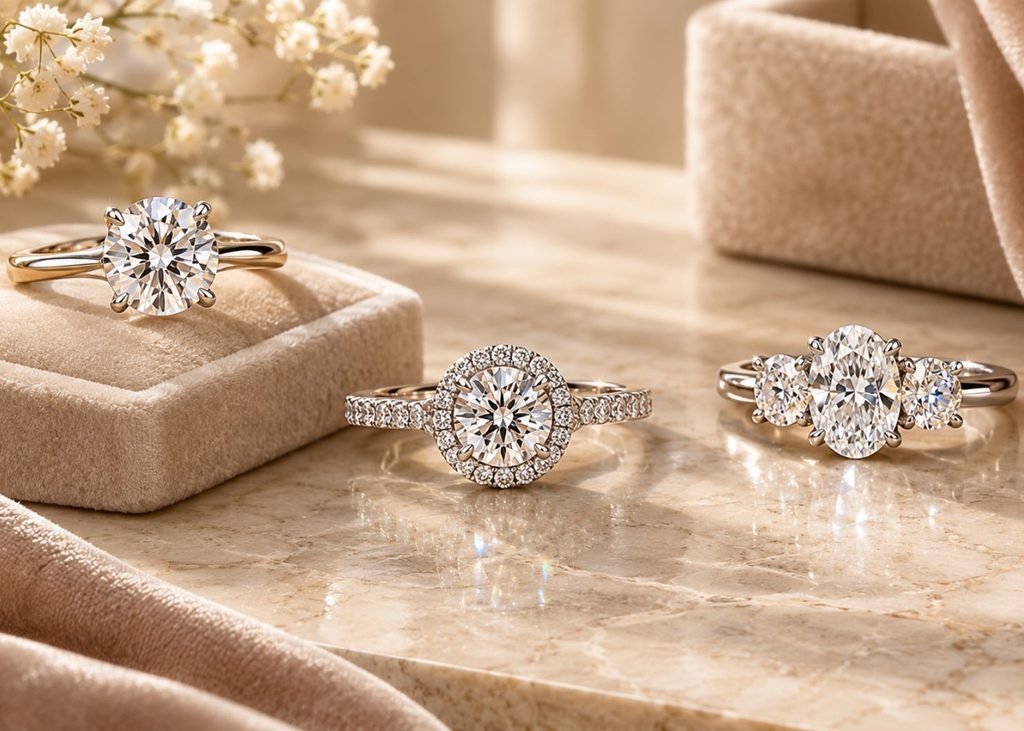
Couples should also discuss the ring’s shape, setting, metal, and overall style. A classic solitaire, a halo design, or a three-stone ring can create very different looks, regardless of the diamond’s origin, just like promise rings.
Making a Choice That Feels Right
Choosing an engagement ring is a personal decision, and the difference between natural and lab-grown diamonds should be understood without unnecessary pressure or assumptions. Both offer the beauty and durability associated with diamonds, but their origins, prices, and market expectations differ.
By comparing the 4Cs, checking grading reports, setting a realistic budget, and discussing individual preferences, couples can make a more informed decision. Ultimately, the best engagement ring is one that reflects their shared priorities and feels meaningful to both partners.